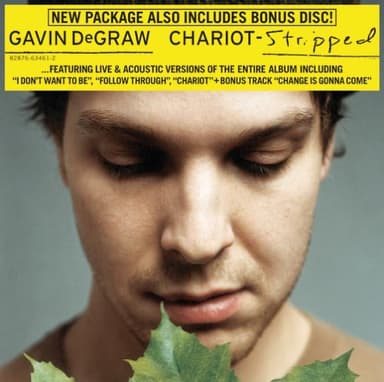
I Don't Want to Be (Again)
Gavin DeGraw
This is the song that introduced most people to DeGraw, and it earns that distinction not through polish but through a kind of stubborn authenticity. Driven by a persistent, slightly bluesy piano riff and a rhythm section that never tries to be flashy, the track has the feel of someone thinking out loud in real time. The production keeps things deliberately lean — the arrangement breathes, leaving space for DeGraw's voice to do the heavy lifting. And his voice here is exceptional in its particularity: gravelly, slightly worn, with a warmth that suggests lived experience rather than performance. He sounds like he's had this conversation before and is tired of having it again. The emotional core is a quiet assertion of selfhood — the refusal to be defined by who someone else needs you to be. It's not angry, which is what makes it powerful; it's resigned and clear-eyed, almost weary with certainty. The chorus hits with a fullness that feels earned, not manufactured. Culturally, this became a touchstone for early-2000s authenticity-seeking listeners who were exhausted by overproduced pop — it soundtracked TV dramas precisely because it felt real when so much didn't. You'd reach for it when you're at a crossroads, needing music that doesn't sugarcoat but still offers something solid to hold onto.
medium
2000s
raw, warm, lived-in
American pop-soul
Pop, Soul. Blues-Inflected Pop.
weary, defiant. Builds from resigned weariness in the verses — the exhaustion of having had this conversation before — to a chorus that feels earned rather than manufactured..
energy 6. medium. danceability 5. valence 6.
vocals: gravelly worn tenor, warm and lived-in, weary certainty, authentic grain.
production: persistent bluesy piano riff, lean breathing arrangement, minimal ornamentation.
texture: raw, warm, lived-in. acousticness 5.
era: 2000s. American pop-soul.
At a crossroads moment needing music that doesn't sugarcoat but still provides something solid to hold onto.