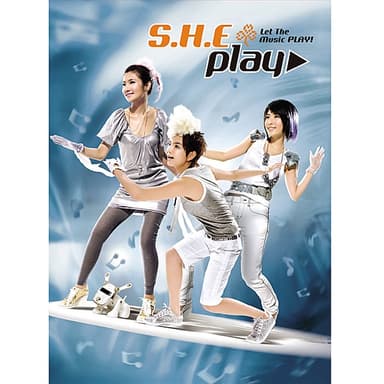
說你愛我
S.H.E
Where the previous track circles, this one presses forward — there's an urgency in the rhythm that feels almost like tugging at a sleeve. The production is brighter, with a poppier sheen that was very much of its Taiwanese idol moment: crisp snare, keyboard lines that shimmer rather than swell, a chorus constructed to land with physical satisfaction. S.H.E trade off vocal duties in a way that feels conversational rather than choreographed, each voice bringing a different shade of the same desire — Ella with her slightly husky directness, Selina with warmth, Hebe with a transparency that makes her lines feel almost vulnerable. The song is essentially a dare dressed up as a question: it's asking for something the speaker suspects she won't get, but she's asking anyway, loudly. There's no ambiguity in the production about what it wants from you as a listener — it wants you to feel the plea and recognize it, whether you've been on the asking or the withholding end. It belongs to the early afternoon of a romantic situation, that particular moment before uncertainty resolves into either heartbreak or relief. Karaoke rooms across Taiwan treated this as essential repertoire, and rightly so — it was engineered to be sung along to, which is its own kind of emotional release.
medium
2000s
bright, polished, energetic
Taiwanese Mandopop
Mandopop, Pop. Taiwanese idol pop.
yearning, playful. Opens with urgent desire and builds into an emotionally direct plea, hovering between hope and anticipated disappointment..
energy 6. medium. danceability 6. valence 5.
vocals: bright female trio, conversational, warm with husky undertones.
production: crisp snare, shimmering keyboard lines, polished pop arrangement.
texture: bright, polished, energetic. acousticness 2.
era: 2000s. Taiwanese Mandopop.
Karaoke night with friends, or the uncertain early afternoon of a romantic situation before things resolve.