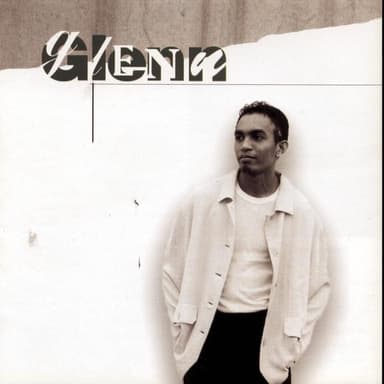
Cukup Sudah
Glenn Fredly
Glenn Fredly's "Cukup Sudah" arrives like a slow exhale after a long cry — an Indonesian soul ballad built on warm acoustic guitar, understated piano, and the gentle weight of a rhythm section that never pushes too hard. The production breathes, leaving deliberate space around each instrument so the ear has nowhere to hide from the emotional truth at the center. Glenn's voice is the whole architecture here: deep, slightly weathered, unhurried, carrying the kind of grain that only comes from someone who has actually lived through what he's singing. He doesn't reach for power notes or pyrotechnics — he leans in close, as if confiding, and that intimacy is what breaks you. The song is about the moment someone decides to stop fighting for a relationship — not in bitterness, but in a kind of exhausted clarity. The lyric carries the weight of everything already said and already tried, arriving finally at acceptance that feels more like grief than relief. It belongs to Indonesian pop's rich tradition of emotionally direct ballads, where sentiment is never ironic and vulnerability is the highest form of artistry. You reach for this song at the end of a long night alone, driving nowhere in particular, when you've finally run out of things to be angry about and all that's left is the quiet ache of something that simply didn't work.
slow
2000s
sparse, intimate, raw
Indonesian pop, soul tradition
Soul, Ballad. Indonesian Soul Ballad.
melancholic, resigned. A slow exhale — moves from exhausted intimacy through raw confessional tenderness toward a grief-tinged acceptance that feels more like surrender than relief..
energy 2. slow. danceability 1. valence 3.
vocals: deep weathered baritone, intimate and confiding, unhurried with natural grain.
production: acoustic guitar, understated piano, gentle rhythm section, deliberate space between instruments.
texture: sparse, intimate, raw. acousticness 7.
era: 2000s. Indonesian pop, soul tradition.
End of a long night alone driving nowhere in particular, when you've run out of anger and only the quiet ache of something that didn't work remains.