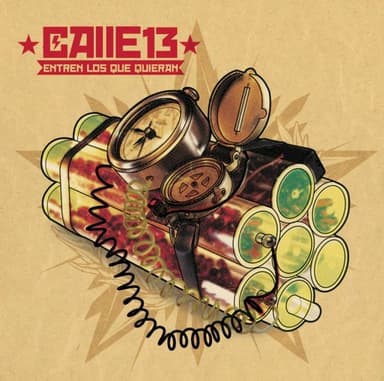
Baile de los Pobres
Calle 13
There is a defiance in this song that doesn't shout — it almost whispers, and that makes it more dangerous. Built on a bass-heavy reggaeton skeleton with touches of brass and acoustic percussion, "Baile de los Pobres" is Calle 13 at their most politically present. The tempo is mid-range, deliberate, like a march that hasn't decided whether it's a celebration or a protest yet. Residente's delivery here is conversational but charged, each verse packed with class consciousness and social observation without ever becoming a lecture. The song captures the texture of working-class street life in Latin America — the joy that persists despite economic precarity, the dignity in collective dancing when you have nothing else. Vocally, there is grit and warmth simultaneously, a voice that has seen things but still wants to move. This is music for a neighborhood gathering, a late-night block party where politics and pleasure are the same thing. In Calle 13's catalog, this track represents their ability to make critique feel like an invitation rather than an accusation — the dancefloor as a site of resistance, not escape.
medium
2000s
gritty, warm, street-worn
Puerto Rico / Latin America working-class urban
Latin, Reggaeton. Political Reggaeton.
defiant, joyful. Begins with quiet, dangerous defiance and resolves into collective celebration, where political consciousness and street pleasure become indistinguishable..
energy 6. medium. danceability 7. valence 6.
vocals: conversational male rap, gritty warmth, charged with class consciousness.
production: bass-heavy dembow, brass accents, acoustic percussion, mid-tempo groove.
texture: gritty, warm, street-worn. acousticness 4.
era: 2000s. Puerto Rico / Latin America working-class urban.
A neighborhood block party or late-night gathering where politics and pleasure share the same dancefloor.