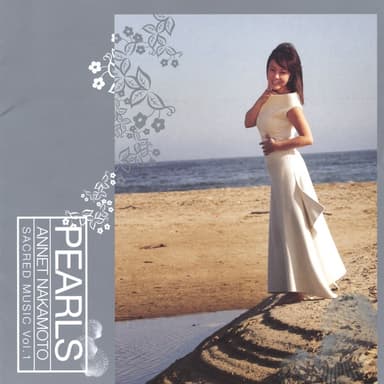
Ave Maria
Franz Schubert
This is music that knows how to hold grief without collapsing under it. Schubert's setting of the Ave Maria prayer — most commonly heard in the soprano voice — moves at a pace that feels suspended, the piano accompaniment rolling in soft arpeggiated waves beneath a melody of almost unbearable tenderness. The vocal line climbs slowly, bends gently at phrase endings, and returns home with the care of something fragile being handled. It evokes the quality of candlelight in a stone church: still, warm, slightly trembling. The Latin text speaks of intercession and mercy, and Schubert encodes that petition into the music itself — the melody doesn't demand, it asks, quietly and with great patience. The voice carries a quality of absolute sincerity; any oversinging destroys the piece entirely, which is why the finest performances are the most restrained ones, where the singer seems to disappear into the prayer rather than display it. Culturally, it sits at the intersection of the sacred and the Romantic, Schubert transmuting liturgical tradition into an intensely personal emotional statement. Someone reaches for this piece in the aftermath of loss, in the quiet hours before sleep, or in those rare moments when the world goes still enough to feel something larger than daily concern pressing against the edges of consciousness. It is music for the interior life.
very slow
1820s
warm, delicate, still
Austrian Romantic, Catholic sacred tradition
Classical, Sacred. Art song / Lied.
melancholic, serene. Opens in suspended, trembling stillness and sustains a quiet, patient petition that never escalates, dissolving into peaceful acceptance..
energy 2. very slow. danceability 1. valence 5.
vocals: soprano, restrained, tender, sincere, intimate — oversinging destroys it.
production: solo voice over rolling piano arpeggios, minimal, warm, acoustic.
texture: warm, delicate, still. acousticness 10.
era: 1820s. Austrian Romantic, Catholic sacred tradition.
Listened to in quiet hours after loss, before sleep, or in rare moments when the interior life needs acknowledgment rather than resolution.