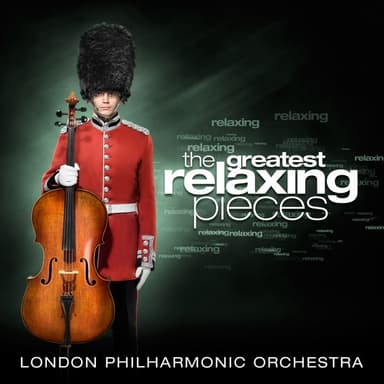
Symphony No. 5: Adagietto
Gustav Mahler
Mahler's Adagietto from his Fifth Symphony is one of the most emotionally precise pieces ever written — it doesn't so much describe a feeling as recreate the exact neurological sensation of being in love and terrified by that love simultaneously. Scored only for strings and harp, the texture is silk and ache, with the harp providing a gentle harmonic shimmer beneath string lines that swell and retreat like breath. The tempo is elastic, governed more by feeling than metronome, and conductors have interpreted it across a wide range — from Bernstein's near-immobile grief to Abbado's more tender restraint. The harmonic language is late-Romantic, saturated with unresolved longing, cadences that arrive but offer no real rest. Mahler reportedly wrote it as a love letter to his wife Alma without words, and that private origin haunts every phrase — this music feels overheard rather than performed. Its cultural weight grew exponentially after Visconti used it in *Death in Venice*, associating it permanently with obsessive, doomed beauty. You'd return to this alone, late at night, when something beautiful has also made you feel the specific weight of its eventual ending.
very slow
1900s
silky, aching, intimate
Austro-German, late Romantic tradition
Classical, Romantic. Late Romantic symphony movement.
romantic, melancholic. Begins in tender, trembling love, swells through saturated longing without ever fully resolving, and retreats into ache rather than peace..
energy 2. very slow. danceability 1. valence 4.
vocals: no vocals; strings as collective voice — silk-toned, deeply expressive, elastic in phrasing.
production: strings and harp only, elastic rubato tempo, unresolved late-Romantic harmonics, no percussion.
texture: silky, aching, intimate. acousticness 9.
era: 1900s. Austro-German, late Romantic tradition.
Alone late at night when something beautiful has also made you feel the specific weight of its eventual ending.