Consider Yourself
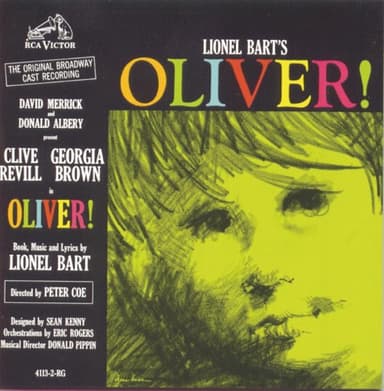
Oliver!
The Thames itself seems to seep through this song — it is London as noise and press and warmth, a Dickensian city rendered in major key optimism that borders on propaganda for human resilience. The arrangement is relentlessly sociable: brass, percussion, the full weight of a company number, every instrument contributing to a sense of crowd and motion. There is a slightly ramshackle quality to its energy, intentional and essential, because the characters singing it are people with nothing who are choosing, in this moment, to treat the world as if it owes them something. The melody is so singable it practically preaches communal memory — it sounds like something that must have always existed, a street song that was never composed but simply emerged. The lead vocal does heavy lifting in establishing character before the ensemble swallows everything: it needs a quality of easy charisma, con-man warmth, the voice of someone who genuinely believes what he is selling even as he is selling it. This is Lionel Bart at his most generously populist, and it belongs to a specific 1960s British theatrical tradition that took Dickens seriously as a mirror and not just as costume drama. Reach for it when you need the particular warmth of strangers choosing to behave like family.
fast
1960s
bright, bustling, communal
British, Victorian London / Dickensian tradition
Musical Theatre, Folk. Dickensian British Musical.
jovial, warm. A single charismatic voice opens a door and the whole crowd pours through, transforming have-nothing into chosen-family without ever acknowledging the hardship underneath..
energy 7. fast. danceability 6. valence 8.
vocals: charismatic male lead, con-man warmth, easy confidence, then swallowed by full ensemble.
production: brass, percussion, ramshackle full company number, crowd-in-motion energy.
texture: bright, bustling, communal. acousticness 2.
era: 1960s. British, Victorian London / Dickensian tradition.
when you need the specific warmth of strangers choosing to behave like family, or before entering a room full of people you don't yet know