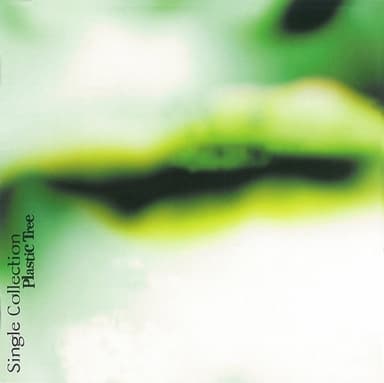
Kumo
Plastic Tree
Plastic Tree trade in a particular kind of quiet devastation — and "Kumo" (Cloud) distills that quality to its essence. The arrangement is sparse and gauzy: a bed of reverb-drenched guitar that never quite resolves, bass notes that drift rather than anchor, percussion so restrained it feels like held breath. The tempo barely moves, suspended in a state of beautiful inertia. Ryuichi's voice is the defining instrument here — androgynous, fragile at the edges, pitched in a register that suggests exhaustion rather than performance. He doesn't project; he confides, and the intimacy of that choice makes the song feel private in a way that draws you closer. Lyrically the song traces the dissolution of something once cherished — not in anger or grief but in a kind of numb acceptance, watching things scatter like clouds that never quite held their shape. Plastic Tree emerged from the visual kei underground of mid-90s Japan but always occupied a softer corner of it, closer to shoegaze's introspective haze than glam's theatrics. "Kumo" belongs to the quiet hours — 3am insomnia, the half-light before deciding whether to cry, the specific loneliness of a Sunday afternoon when you realize you've been forgetting something important.
very slow
1990s
gauzy, reverberant, ethereal
Japanese visual kei underground
J-Rock, Indie. Visual kei shoegaze.
melancholic, serene. Begins in numb acceptance, drifts through quiet dissolution of something once cherished, and never resolves — instead finding a fragile, cloud-like stillness..
energy 2. very slow. danceability 1. valence 2.
vocals: androgynous male, fragile at edges, intimate, confiding, exhausted.
production: reverb-drenched guitar, drifting bass, restrained breath-like percussion, sparse arrangement.
texture: gauzy, reverberant, ethereal. acousticness 4.
era: 1990s. Japanese visual kei underground.
3am insomnia or the half-light of a Sunday afternoon when you realize you have been forgetting something important.