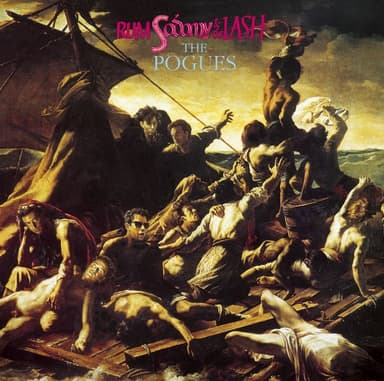
Rainy Night in Soho
The Pogues
Where the previous track is rugged and earthen, this one is silk-worn and aching — The Pogues at their most nakedly romantic. The arrangement breathes rather than charges: accordion lines drift over gentle guitar, the tempo unhurried, the whole texture soft-lit as if filtered through rain-streaked glass. MacGowan's vocal here is startlingly vulnerable; the usual gravel gives way to something more exposed, a man singing not in performance but in confession. The song moves through a series of vivid London memories — cobblestone streets, Catholic guilt, immigrant longing — and builds an emotional architecture that is less a love song than a meditation on time and loss. There's a Catholic weight to it, a sense that beauty and sin and grief are all part of the same liturgy. The melody itself has that quality of tunes that feel as if they've always existed, as if MacGowan didn't write it so much as remember it from a life he may or may not have lived. Brass enters late in the arrangement, swelling beneath the final verses, and the effect is less triumphant than elegiac — a slow sunrise over a city you're about to leave. This is music for the insomniac hours in a foreign apartment, for old photographs discovered at the back of a drawer, for anyone who has ever loved a city and a person simultaneously and can no longer separate the two losses.
slow
1980s
soft, rain-lit, silk-worn
Irish immigrant experience in London, Catholic diaspora
Folk, Celtic. Irish folk ballad.
melancholic, romantic. Opens in quiet vulnerability and slowly swells with brass toward an elegiac grandeur, fading like a departing train rather than arriving anywhere..
energy 3. slow. danceability 2. valence 3.
vocals: gravelly male, confessional, exposed, unusually vulnerable.
production: accordion, acoustic guitar, late brass swells, unhurried minimal arrangement.
texture: soft, rain-lit, silk-worn. acousticness 7.
era: 1980s. Irish immigrant experience in London, Catholic diaspora.
Insomniac hours in a foreign apartment, sorting through old photographs of a city and a person you can no longer separate into two separate losses.