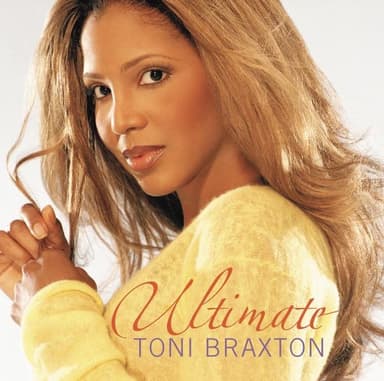
Un-Break My Heart
Toni Braxton
There is a stillness at the opening of this song that feels almost unbearable — a single piano note dropping into silence before the orchestration swells around it like water filling a room. The tempo is slow, almost funereal, but David Foster's production keeps it from becoming maudlin through sheer grandeur: strings that rise and fall with tidal weight, a rhythm section that marks time like a heartbeat you can't quiet. Toni Braxton's voice is the defining instrument here, a low contralto with a smoke-and-velvet quality that makes even her upper register feel grounded. She doesn't cry the song — she states it, which is far more devastating. The loss she describes is not fresh; it has cured into something harder, a grief that has been examined from every angle and still yields no comfort. Braxton's phrasing has an almost conversational quality in the verses, as if she's thinking aloud, before the chorus opens into full operatic plea. This is quintessential mid-'90s R&B balladry: lush, cinematic, unapologetically large in its emotional ambition. It belongs to the era of the power ballad as cultural artifact, the kind of song that soundtracked slow dances and radio vigils alike. Reach for it in the quiet hours of a breakup that hasn't fully registered yet — when grief is still more disbelief than pain.
slow
1990s
lush, cinematic, grand
American R&B
R&B, Ballad. Power Ballad R&B.
melancholic, longing. Opens in hollow silence, fills with tidal orchestral grief, and arrives at full operatic plea — loss that has cured into something hard..
energy 3. slow. danceability 2. valence 2.
vocals: deep female contralto, smoky, stated not cried, operatic on the chorus.
production: David Foster orchestration, grand piano, cinematic strings, lush and sweeping.
texture: lush, cinematic, grand. acousticness 4.
era: 1990s. American R&B.
The quiet hours of a breakup that hasn't fully registered — when grief is still more disbelief than pain.