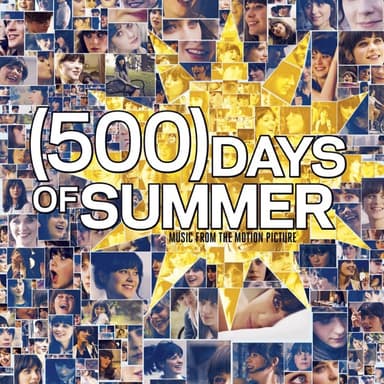
Us (500 Days of Summer)
Regina Spektor
A music-box delicacy opens the song, toy-piano notes tumbling over each other with the casual imprecision of something improvised. Regina Spektor's voice is idiosyncratic in a way that can't be taught — she clips syllables, slides unexpectedly into falsetto, treats melody as something to be bent and played with rather than executed faithfully. The arrangement stays purposefully small throughout: sparse piano, light percussion that sounds like it was recorded in a kitchen, backing harmonies that drift in and out like half-remembered daydreams. The lyrics are elliptical and image-heavy, painting relationships through odd domestic details and invented mythology rather than direct statement, which gives the song an intimacy that feels almost accidentally overheard. There's a bittersweet quality to the whole thing — not tragic exactly, but tender in the way that knowing something is temporary makes you hold it more carefully. The song understands that romantic love and its dissolution are both absurd and profound simultaneously, and it doesn't try to resolve that contradiction. It came out of the mid-2000s New York anti-folk scene, music made by and for people who found sincerity embarrassing unless delivered slant. You'd reach for this on a Sunday morning when the light comes in at a low angle, maybe a few weeks after something ended but before it's fully processed — when you can finally smile at it a little.
slow
2000s
warm, intimate, delicate
American anti-folk, New York indie scene
Indie, Folk. Anti-folk.
nostalgic, playful. Tender and bittersweet throughout — holds joy and loss simultaneously without trying to resolve the contradiction, settling into a wry, gentle acceptance..
energy 3. slow. danceability 2. valence 5.
vocals: idiosyncratic female, unpredictable slides into falsetto, intimate, bent melody.
production: sparse toy piano, light kitchen-recorded percussion, minimal, drifting harmonies.
texture: warm, intimate, delicate. acousticness 8.
era: 2000s. American anti-folk, New York indie scene.
A Sunday morning a few weeks after something ended, when the low-angle light comes in and you can finally smile at it a little.