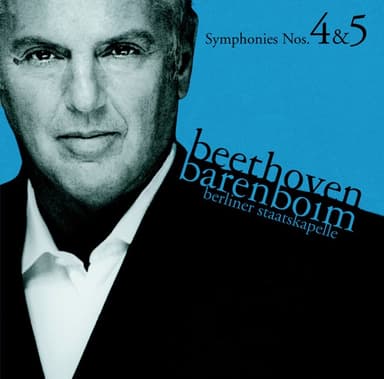
Symphony No. 5 in C minor, Op. 67: I. Allegro con brio
Ludwig van Beethoven
Four notes — short, short, short, long — hammered into existence like a fist on a door. What follows is one of the most relentless sustained arguments in all of Western music: a full orchestral force that refuses to relent, that develops and transforms its material with the logic of someone who will not leave until they've been understood. The strings drive forward at a pace that feels inevitable rather than rushed, with brass and timpani arriving as punctuation points of massive emphasis. The emotional landscape is not simply "triumphant" — there is genuine struggle here, passages that seem to lose ground before surging forward again. Beethoven was going deaf when he wrote this; the ferocity feels less like confidence and more like defiance. You reach for this when you need to be reminded that obstacles can be met head-on — driving into a headwind, preparing for something that intimidates you, or simply when the ordinary world feels too small.
fast
1800s
dense, forceful, dramatic
German Classical tradition
Classical. Symphonic Classical.
defiant, intense. Opens with a hammer-blow confrontation, battles through struggle and temporary retreat, then surges forward with relentless, unresolved ferocity..
energy 10. fast. danceability 3. valence 5.
vocals: instrumental, no vocals.
production: full orchestra, driving strings, heavy brass, thundering timpani, dense and forceful.
texture: dense, forceful, dramatic. acousticness 7.
era: 1800s. German Classical tradition.
When facing something that intimidates you — driving into a headwind, preparing for a confrontation, or when the ordinary world feels too small to contain you.