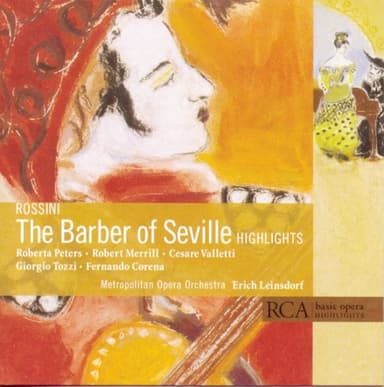
The Barber of Seville: Overture
Gioachino Rossini
The overture begins with a joke told at speed: the strings introduce a theme so quick and nimble that following it feels like the pleasure of watching someone extraordinarily dexterous at work. Rossini builds energy through repetition and crescendo, the famous "Rossini crescendo" that layers instruments and dynamic levels until the orchestra is moving at maximum velocity, the tension almost comic in its relentlessness. There's no darkness here — this is pure wit, the musical equivalent of a perfectly timed comic performance, where the pleasure comes from watching something difficult executed with apparent ease. The overture is also dramatically intelligent: it establishes the opera's register of clever intrigue and farce before a word is sung, priming the audience to receive the comedy that follows. Rossini composed this in 1816 and it became immediately, internationally famous, surviving into the present as one of the most recognized pieces in the orchestral repertoire. It belongs to the buffa tradition, opera as comedy, as social satire, as proof that music can be simultaneously sophisticated and entirely unpretentious. Play this when you need something that insists on lightness without condescending to it.
very fast
1810s
bright, nimble, sparkling
Italian opera buffa tradition
Classical, Opera. Opera Buffa.
playful, euphoric. Builds from nimble, dexterous wit through the famous Rossini crescendo — layering instruments and dynamics — to a peak of comic, exhilarating release..
energy 9. very fast. danceability 6. valence 9.
vocals: instrumental overture, no featured vocals.
production: swift strings, Rossini crescendo layering, woodwinds, full orchestra at maximum velocity.
texture: bright, nimble, sparkling. acousticness 6.
era: 1810s. Italian opera buffa tradition.
When you need something that insists on lightness and lifts the mood without requiring anything from you in return.