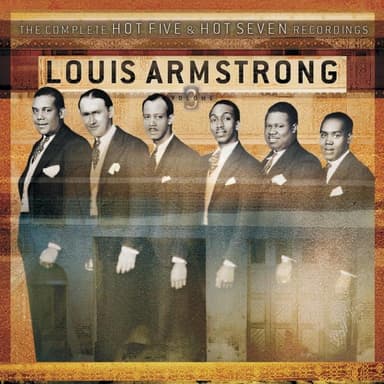
Weather Bird
Louis Armstrong
A duet between two instruments that sounds like a conversation between two very different minds who nevertheless understand each other completely. Earl Hines's piano and Armstrong's trumpet circle each other across nearly three minutes without a rhythm section beneath them — just two voices in dialogue, trading phrases, interrupting, agreeing, wandering off and returning. The looseness is structural, not accidental; both musicians were technically formidable enough to maintain tension without a net. Armstrong's trumpet is at its most conversational here, almost speech-like in its phrasing, while Hines deploys what became known as his "trumpet style" piano — single-note right-hand lines that mimic horn phrasing. The effect is intimate and slightly strange, like eavesdropping on a private exchange between two giants. It belongs to 1928, to the era before jazz became codified, when the form was still being invented in real time by people who didn't know they were making history. Play this alone, with full attention.
medium
1920s
intimate, conversational, raw
African-American, Chicago jazz, pre-codification era
Jazz. Hot Jazz / Duet Jazz.
intimate, playful. Two distinct musical voices circle, interrupt, and agree in a wandering private dialogue that feels simultaneously unscripted and deeply understood..
energy 5. medium. danceability 4. valence 7.
vocals: instrumental — no vocals.
production: trumpet and piano duet only, no rhythm section, entirely bare.
texture: intimate, conversational, raw. acousticness 9.
era: 1920s. African-American, Chicago jazz, pre-codification era.
Alone with full attention and headphones in a quiet room, as if eavesdropping on a private exchange between two giants.