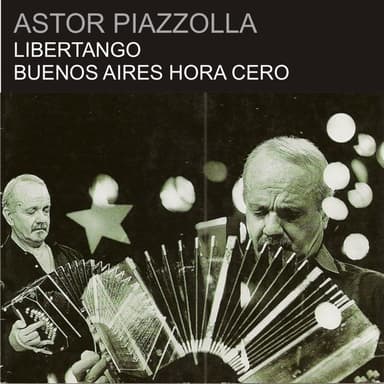
Libertango
Astor Piazzolla
Libertango opens with a pulse that feels like a city breathing — bandoneon and bass locked in a forward momentum that refuses to resolve, always leaning into the next beat. The strings enter like a second consciousness, urgent and slightly desperate, weaving above the rhythmic engine below. Piazzolla strips traditional tango of its nostalgic sentimentality and replaces it with something almost defiant: this is tango that has survived immigration, loss, and modernity. The piece swings between control and wildness, the bandoneon's wheeze carrying a kind of street-level grit. There's exhilaration here, but also tension — freedom that costs something. You feel it in the syncopations that push slightly ahead of the beat, as if the music itself is impatient. This is the piece that announced nuevo tango to the world, and its confidence is palpable. Reach for it when you're moving through a city at night, when the lights are blurring and you feel simultaneously anonymous and alive.
fast
1970s
gritty, propulsive, urban
Argentine tango, Buenos Aires
Tango, Classical. Nuevo Tango.
defiant, exhilarating. Begins with urgent, coiled momentum and builds through tension and syncopation to an exhilarating, almost reckless sense of freedom..
energy 8. fast. danceability 8. valence 6.
vocals: instrumental, no vocals.
production: bandoneon, driving bass, strings, rhythmic syncopation.
texture: gritty, propulsive, urban. acousticness 6.
era: 1970s. Argentine tango, Buenos Aires.
Moving through a city at night when the lights blur and you feel simultaneously anonymous and alive.