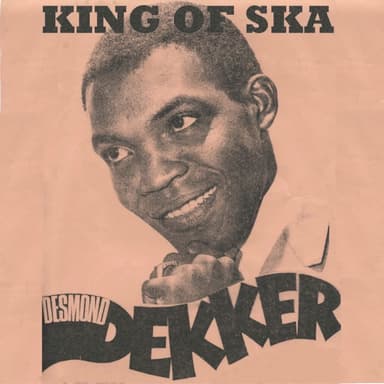
007 (Shanty Town)
Desmond Dekker
This is reggae as street cinema, a rolling instrumental foundation layered beneath a vocal that sketches Kingston's lower-income neighborhoods — the "rude boy" culture of the 1960s — with the confidence of someone who lives it. The rhythm is early rocksteady, punchy and insistent, the bass anchoring everything while horns punctuate the verses with a sharp, cinematic urgency that lends the track its title's James Bond swagger. Dekker's voice here has a cocky swagger that contrasts with the more sorrowful register of his other work — this is younger, more street-facing, almost taunting. The song captured something real about the social tension in post-independence Jamaica, about young men navigating unemployment and displacement in Trenchtown and surrounding yards, adopting a tough self-presentation as both armor and identity. The "rude boy" moment in Jamaican culture was brief and complicated, equal parts defiance and desperation, and this song is one of its defining documents. Listening to it now there's almost a cinematic quality — like a soundtrack cue that places you in a specific alley, a specific hour. It's been sampled, covered, and referenced endlessly, but the original retains a rawness that no version has fully replicated. This is a song for understanding where reggae came from, for tracing the roots of a sound that would change global popular music.
medium
1960s
raw, punchy, cinematic
Jamaican, Kingston rude boy culture
Reggae, Rocksteady. Rude Boy Rocksteady.
defiant, confident. Maintains a swaggering, street-level defiance throughout with cinematic urgency that never lets up..
energy 7. medium. danceability 7. valence 6.
vocals: cocky male vocal, street-facing, taunting, self-assured.
production: punchy bass, sharp horns, rocksteady rhythm, raw recording.
texture: raw, punchy, cinematic. acousticness 3.
era: 1960s. Jamaican, Kingston rude boy culture.
Late afternoon city walk when you want to feel like you own every block you pass through.