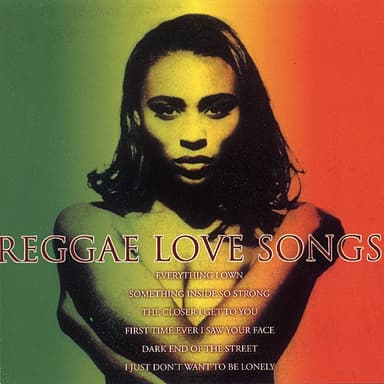
Everything I Own
Ken Boothe
The arrangement begins quietly and builds with a deliberateness that gives the emotion room to accumulate before it arrives fully. This is rocksteady verging on early reggae, recorded in the early 1970s, with a production style that is warmer and slightly denser than the sparse ska records that preceded it — bass riding lower and fuller, the rhythm section locked into something steady that feels like breathing. Ken Boothe had one of the great voices of Jamaican popular music: rich, supple, with a gospel-inflected depth that could carry enormous emotional weight without effort. This song is a cover of a David Gates composition, but Boothe's interpretation transforms it into something specifically Jamaican in feeling, his phrasing and timbre giving the lyric a vulnerability that the original, fine as it is, doesn't quite reach. The song is about grief — specifically the grief of losing a parent — expressed through the language of romantic love, which gives it a universality that cuts across specific experience. There's something in the way loss and love become indistinguishable in the lyric that makes it unbearably honest. The production choices serve that honesty: strings enter at exactly the right moment, swelling without overwhelming. This is a song for the moments when language fails and you need music to do the work language cannot — for grief, for distance, for the people who shaped you and are no longer present to receive the acknowledgment.
slow
1970s
warm, lush, intimate
Jamaican, early reggae era
Reggae, Soul. Early Reggae.
melancholic, tender. Builds slowly from quiet restraint to full emotional release, accumulating grief and love until the two become indistinguishable..
energy 4. slow. danceability 3. valence 4.
vocals: rich gospel-inflected male voice, supple, emotionally weighty, deeply vulnerable.
production: full low bass, steady rhythm, strings entering at peak moments, warm layered arrangement.
texture: warm, lush, intimate. acousticness 5.
era: 1970s. Jamaican, early reggae era.
Quiet moments of grief or longing for someone no longer present, when music must carry the weight that words cannot.