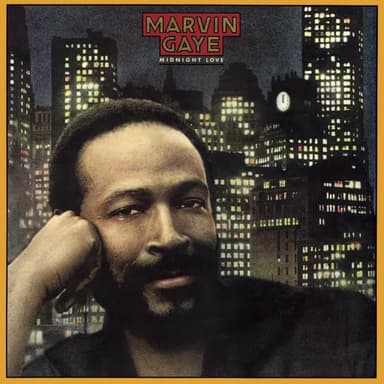
Sexual Healing
Marvin Gaye
The drums arrive first — a clean, precise electronic pattern with a slight echo that makes the room feel very large and very empty. Then a bass line that moves with the slow certainty of a tide coming in. The production is spare and immaculate, Norman Whitfield and Leon Ware constructing space around Marvin Gaye's voice rather than filling it. His delivery is barely above a murmur in places, the words landing with a kind of physical weight — intimate in a way that studio records rarely achieve, as if the microphone is too close and you're not supposed to be this near. The song describes desire as a healing force rather than a complication, positioning physical connection as something close to medicine for psychological exhaustion. Lyrically the framing is unusual and surprisingly tender. Culturally it arrived in 1982 when Gaye was rebuilding his career after years of personal collapse, and it became one of the definitive pop records of that decade — not through density but through restraint. You reach for this in the blue hours, in the specific warmth of two people in a room that doesn't have to be anywhere else.
slow
1980s
warm, sparse, intimate
American R&B, post-disco soul
R&B, Soul. Quiet Storm.
intimate, tender. Maintains a sustained warmth of desire from start to finish, building slowly without ever breaking its spell..
energy 3. slow. danceability 5. valence 6.
vocals: intimate male murmur, breathy, deeply personal, barely above a whisper.
production: sparse electronic drums with slight echo, slow steady bass, minimal arrangement, precise empty space.
texture: warm, sparse, intimate. acousticness 2.
era: 1980s. American R&B, post-disco soul.
Late night in a quiet room shared between two people with nowhere else to be.