The Blood Will Never Lose Its Power
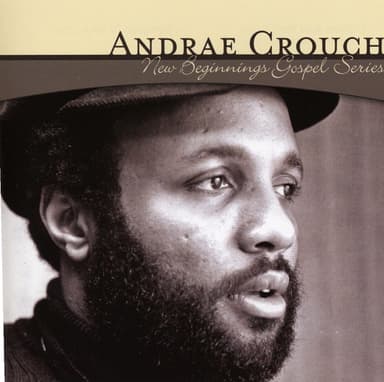
Andraé Crouch
This is a song that moves slowly on purpose. The production is spare — mostly organ, with a rhythm that feels like a heartbeat rather than a groove — and that deliberateness is part of the point. Crouch wrote from within a tradition that understood blood as the central symbol of sacrifice and covenant, and the song treats that weight with corresponding gravity. There is no rush here, no bright contemporary sheen. His voice moves through the melody with the ease of someone who has sung these words so many times they've become bone-deep truth, and that familiarity reads as authority rather than rote performance. The lyrical argument is quiet but insistent: that something ancient and unchanging persists across time, offering what nothing else can. Culturally, this song sits at the intersection of traditional hymn structure and soul-gospel feeling — it bridges generations and denominations in a way that few modern songs manage. You reach for it during illness, during loss, during the particular kind of exhaustion that comes from feeling like the ground has shifted beneath you. It's not a song for mountaintop moments. It's a song for the valley, where you need something older than your current circumstances to hold onto.
very slow
1970s
spare, grave, ancient
Black American Gospel / Traditional Hymn
Gospel. Traditional Gospel / Soul Gospel.
solemn, steadfast. Moves slowly and deliberately from ancient declaration to bone-deep personal conviction, offering comfort that deepens rather than brightens..
energy 2. very slow. danceability 1. valence 5.
vocals: authoritative male, unhurried, deeply familiar.
production: sparse organ, heartbeat rhythm, minimal instrumentation.
texture: spare, grave, ancient. acousticness 5.
era: 1970s. Black American Gospel / Traditional Hymn.
During illness, loss, or deep exhaustion when you need something older than your circumstances to hold onto.