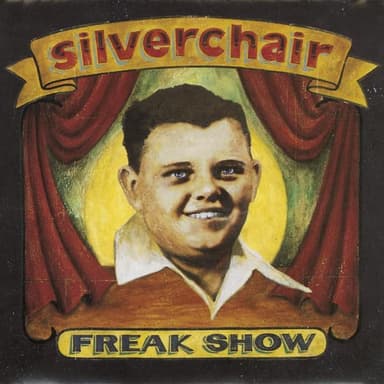
The Door
Silverchair
Where much of Silverchair's early work burns hot, "The Door" operates in a more unsettling, spectral register. The guitar here doesn't rage so much as hover — open, ringing chords with a hollowness at their center, the kind of tone that suggests space rather than fills it. There's a slower, more deliberate pulse to the track, almost ritualistic in its repetition, as if the song is circling something it can't quite name. Johns' vocal sits low in the mix initially, close and intimate, with an adolescent fragility that feels unguarded in a way that's hard to manufacture. The emotional texture is one of dread and longing simultaneously — not the clean catharsis of a big chorus but something murkier, unresolved. Lyrically the song brushes against themes of disconnection and the threshold between interior and exterior worlds; the door of the title functions as both literal object and psychological symbol. It captures a very particular teenage experience of alienation that has nothing theatrical about it — just the actual quiet weight of feeling fundamentally out of place. Context matters: this is a band processing real darkness through the only language they had available, which was loud guitars and confessional writing. You'd come to this song alone, probably late, probably in the dark, and find it understands something you haven't been able to articulate.
slow
1990s
hollow, spectral, sparse
Australian grunge, Newcastle
Rock, Grunge. Alternative Rock.
melancholic, anxious. Sustains unresolved dread and longing simultaneously, circling a feeling it can never fully name..
energy 4. slow. danceability 2. valence 2.
vocals: low intimate male, adolescent fragility, unguarded, close and hushed.
production: open ringing guitar chords, hollow tone, sparse, deliberate repetition.
texture: hollow, spectral, sparse. acousticness 3.
era: 1990s. Australian grunge, Newcastle.
Alone late at night in the dark, when you feel fundamentally out of place and need something that understands without explaining.