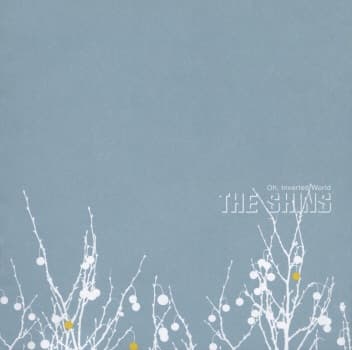
New Slang
The Shins
"New Slang" arrives like morning light through a slightly dirty window — warm but diffuse, gentle but somehow full of longing. The acoustic guitar picking that opens the song has a loping, unhurried quality, as though James Mercer is in no particular hurry to get anywhere and is at peace with that. The production on this early Shins track is charmingly lo-fi in texture, the guitars with a slight buzz at the edges, the whole sonic picture intimate in the way a bedroom recording can be. Mercer's voice is one of the more distinctive instruments in early-2000s indie rock — a high, reedy tenor with an old-fashioned quality to it, almost folky in its plainness, and yet oddly affecting. He sings with a kind of earnest melancholy, and the lyrics traffic in the language of youthful disillusionment — a sense that the world has turned out to be something smaller and stranger than expected. The emotional register is bittersweet rather than despairing, a song about being slightly out of step with the world and finding a fragile beauty in that misalignment. It became the emblem of a certain strain of early-2000s indie sensitivity precisely because it didn't overreach — it stayed small, human-scaled. Reach for it on slow Sunday mornings, when nostalgia for a time you can't quite name settles over everything.
slow
2000s
warm, intimate, lo-fi
American Pacific Northwest indie folk
Indie Folk, Indie Pop. lo-fi indie folk.
nostalgic, bittersweet. Arrives as warm morning-light gentleness and settles into a fragile beauty of being quietly, peacefully out of step with the world..
energy 3. slow. danceability 3. valence 5.
vocals: high reedy tenor, earnest, folky, plainly affecting.
production: acoustic guitar fingerpicking, slight edge buzz, intimate bedroom-recording quality.
texture: warm, intimate, lo-fi. acousticness 8.
era: 2000s. American Pacific Northwest indie folk.
Slow Sunday morning when nostalgia for a time you can't quite name settles over everything like soft light.