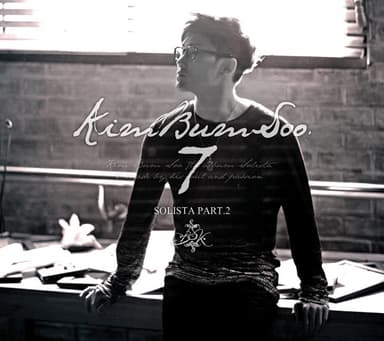
끝사랑 (Last Love)
김범수
Where many farewell songs wallow in bitterness or collapse into sentimentality, this one holds itself with a kind of dignified grief that feels earned rather than performed. The piano is the emotional spine throughout — measured, deliberate, each chord landing with the weight of a decision already made. Kim Bum-soo calibrates his delivery with remarkable control here, beginning in a register that feels almost conversational before the melody demands more, and he gives it willingly but never cheaply. The strings enter late in the arrangement, not to rescue the song emotionally but to confirm what the vocal has already established. The lyrical logic follows the strange clarity that comes at the end of something long: not anger, not despair, but a kind of clear-eyed recognition that this was the love that mattered most, and it's over. It sits in the tradition of Korean ballads that equate romantic loss with genuine existential reckoning — songs that don't offer comfort because comfort would be dishonest. Play this when you're clearing out the last of someone's things from your apartment, or sitting in a café you used to visit together, ready to finally let the feeling settle.
slow
2000s
dignified, sparse, weighty
South Korean
K-Ballad, Pop. Korean Adult Ballad.
melancholic, serene. Maintains dignified, clear-eyed grief from start to finish, building slowly to an orchestral confirmation of inevitable farewell without collapsing into despair..
energy 3. slow. danceability 1. valence 3.
vocals: controlled male tenor, conversational-to-climactic arc, restrained and purposeful.
production: piano-led, late-arriving strings, deliberate pacing, minimal arrangement.
texture: dignified, sparse, weighty. acousticness 6.
era: 2000s. South Korean.
Clearing out the last of someone's belongings from your home, or sitting in a place you once shared, finally ready to accept the ending.