Key to the Highway
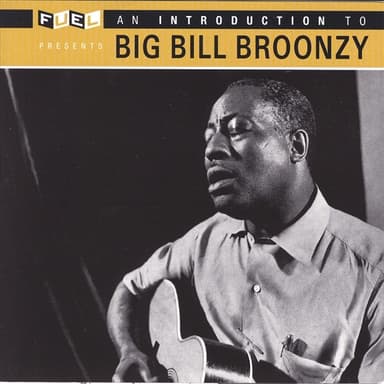
Big Bill Broonzy
Big Bill Broonzy strips everything down to its irreducible essentials: an acoustic guitar that functions as both rhythm and melody simultaneously, a voice that sounds like it came up from the ground rather than out of a human chest. The guitar work is masterful precisely because it doesn't announce itself — the fingerpicking creates a rolling, self-contained groove that could sustain itself indefinitely, unhurried and uncontrived. Broonzy's vocal delivery sits somewhere between singing and speaking, the phrasing loose and conversational, as if he's telling you this over a porch railing rather than performing it on a stage. The emotional tenor is restless and searching — this is wandering blues, the variety born from the Great Migration and the particular freedom-anxiety of a man between places. The lyric's core is the open road as both liberation and longing, the highway as a metaphor for every kind of departure a person might need. There's no self-pity in it; the mood is more like philosophical necessity — some men are built to move, and fighting that is the real suffering. Broonzy bridges the Delta tradition and the emerging Chicago sound, and this song in particular became a touchstone that Robert Johnson and Eric Clapton and dozens between them would return to and rework. You reach for this when you're driving somewhere long and open, when the destination matters less than the act of moving itself — when motion is its own kind of answer.
medium
1940s
warm, earthy, sparse
Mississippi Delta and Chicago, African American Great Migration tradition
Blues. Country Blues.
restless, philosophical. Wanders from anxious searching toward philosophical acceptance — motion itself becomes the resolution rather than any destination..
energy 4. medium. danceability 4. valence 4.
vocals: conversational, earthy, between singing and speaking, loose, grounded.
production: solo acoustic fingerpicking, self-contained rolling groove, simultaneous rhythm and melody.
texture: warm, earthy, sparse. acousticness 10.
era: 1940s. Mississippi Delta and Chicago, African American Great Migration tradition.
Long open drive when the destination matters less than the act of moving — when motion is its own kind of answer.