The Golden Age of Rock 'n' Roll
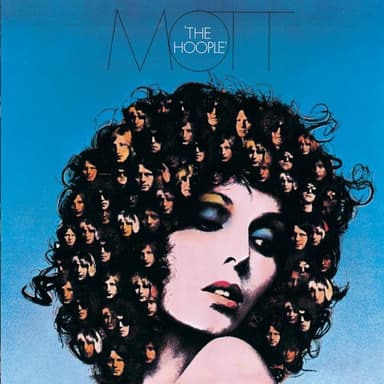
Mott the Hoople
Mott the Hoople arrive in a blaze of glam-rock maximalism — piano hammering like a saloon brawl, guitars thick with distortion and swagger, Ian Hunter's voice cutting through the noise with the authority of someone who has lived every lyric twice. The production has a beautiful looseness to it, a controlled chaos that sounds like a band playing on the edge of falling apart and somehow holding together through sheer will. It celebrates rock and roll not as a genre but as a religion, a way of surviving adolescence and the dullness of ordinary life. Hunter sings with theatrical conviction, half-sneer half-hymn, like a street preacher who knows the congregation is already converted. The song carries the energy of a generation that genuinely believed loud guitars could change something — the early 1970s glam moment when androgyny and volume were acts of defiance. There's nostalgia baked in even at the moment of creation, a looking-back-while-still-living-it quality that makes it emotionally strange and rich. You reach for this when you need to feel that rock and roll still matters, when the cynicism of adulthood threatens to win — windows down, volume up, singing along to something that makes the mundane feel briefly mythological.
fast
1970s
chaotic, dense, raw
British glam rock
Glam Rock, Rock. Hard Rock.
euphoric, nostalgic. Opens in maximalist celebration and sustains a strange simultaneous living-in-the-moment and already-nostalgic energy that never settles into one or the other..
energy 9. fast. danceability 5. valence 8.
vocals: theatrical male, half-sneer half-hymn, authoritative, conviction.
production: hammering piano, thick distorted guitars, loose controlled-chaos mix.
texture: chaotic, dense, raw. acousticness 1.
era: 1970s. British glam rock.
When cynicism threatens to win and you need to feel that rock and roll still matters — volume up, windows down, singing along.