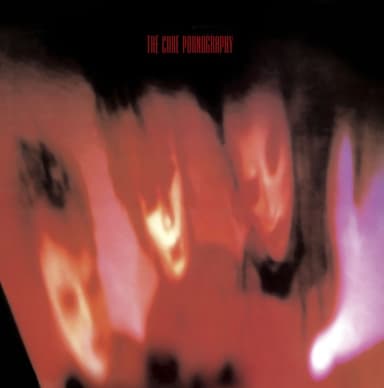
The Hanging Garden
The Cure
The drums explode first, tribal and enormous, filling the room before anything else has a chance to breathe. There's a primal quality to the rhythm — less rock band, more ritual, as if the percussion is trying to summon something rather than keep time. Guitars arrive in sheets of distortion, not melodic so much as textural, creating a wall of controlled chaos behind which Smith's vocal pushes forward with an almost theatrical intensity. The song is drenched in gothic imagery, graveyards and decay rendered not as horror-movie clichés but as genuine expressions of a worldview — the sense that rot and beauty occupy the same space. Lol Tolhurst's keyboard lines snake through the middle of the arrangement, adding a strange, liturgical quality that makes the whole thing feel like a corrupted ceremony. It's one of the most viscerally physical songs The Cure ever recorded, the kind of track that hits the body before the mind processes it. This is music for the ritual of getting ready before a night out that you hope will be transformative and fear will be disappointing — armor and invocation simultaneously.
fast
1980s
dense, cavernous, ritualistic
British gothic rock
Gothic Rock, Post-Punk. Gothic Rock.
dark, intense. Erupts with primal, ritual energy and sustains a controlled chaos building toward a corrupted ceremony, never breaking into release..
energy 7. fast. danceability 6. valence 2.
vocals: theatrical male, urgent, pushing forward, visceral intensity.
production: tribal percussion, walls of distorted guitar, liturgical keyboard lines, dense layering.
texture: dense, cavernous, ritualistic. acousticness 1.
era: 1980s. British gothic rock.
Getting ready before a night out you hope will be transformative and fear will be disappointing — music as armor and invocation simultaneously.