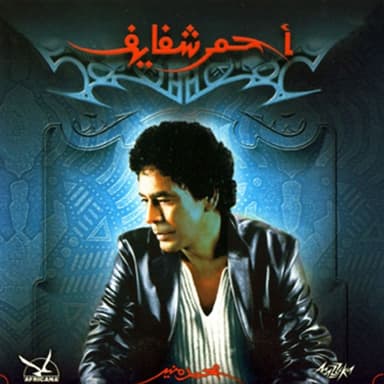
Ya Mina
Mohamed Mounir
"Ya Mina" opens on a breath — a single oud phrase that hangs in the air before Mohamed Mounir's voice enters, warm and unhurried, carrying the particular ache of Nubian music filtered through Egyptian popular sensibility. The production is layered but never cluttered: percussion that borrows from Upper Egyptian rhythmic traditions sits beneath melodic strings, creating a sound that feels both ancient and contemporary. Mounir's tenor has a quality that resists easy categorization — it bends around notes with the flexibility of folk singing but anchors itself with the confidence of a man who has spent decades in arenas. The song moves through longing and acceptance in the same breath, addressing an absent beloved with a tenderness that never tips into sentimentality. There is a particular kind of sadness embedded in Nubian music, the shadow of displacement and cultural loss, and Mounir carries this subtext even in his most celebratory moments. "Ya Mina" belongs to a specific Egyptian night — late, warm, the kind of gathering where people sit on rooftops and the city sounds like conversation rather than noise. It rewards close listening, the kind you do with your eyes closed.
slow
1990s
ancient, warm, layered
Egypt/Nubia, carrying the shadow of displacement and cultural loss
World Music, Arabic Pop. Nubian Pop.
melancholic, nostalgic. Holds longing and acceptance in the same breath, moving between ache and tenderness without resolving either..
energy 4. slow. danceability 3. valence 5.
vocals: warm tenor, folk-flexible, intimate, Nubian-inflected.
production: solo oud intro, Upper Egyptian percussion, melodic strings, layered but uncluttered.
texture: ancient, warm, layered. acousticness 7.
era: 1990s. Egypt/Nubia, carrying the shadow of displacement and cultural loss.
A late warm night on a rooftop, eyes closed, when the city sounds like quiet conversation.