What Need Have I for This
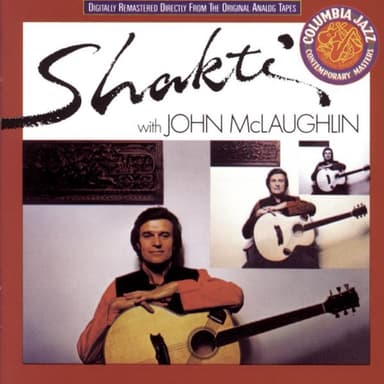
Shakti
The title carries a renunciatory quality — a question about what worldly things are really worth — and the music follows through on that philosophical commitment with complete seriousness. The opening is sparse: McLaughlin's guitar and the tabla entering in conversation so intimate it feels private, as though you've walked into a room where two people are talking quietly about something important. The tempo is slow enough that each note has weight and space, and the silences between phrases become part of the composition itself. There is something almost Zen in the structure, a willingness to let emptiness participate. The violin, when it appears, does not ornament or decorate — it makes statements, long-toned and unadorned, in a voice that sounds like it has already given up on excess. The Carnatic ragas underlying the piece carry their own emotional specificity; the scale choices communicate a kind of wistful questioning that pure jazz harmony couldn't quite reach. What this music is asking, underneath its technical mastery, is a perennial human question about attachment and release, and it asks it without sentimentality. This is not easy listening in any sense — it requires patience and a willingness to sit with complexity that doesn't resolve into comfort. Best heard on headphones, alone, when you're thinking seriously about something that has no easy answer.
slow
1970s
sparse, austere, still
South Indian Carnatic tradition and jazz, with Zen minimalist sensibility
World Music, Jazz. Carnatic Jazz Fusion.
contemplative, melancholic. Opens in intimate philosophical quiet and remains there, letting silence participate alongside sound, questioning attachment without resolving into comfort..
energy 2. slow. danceability 1. valence 4.
vocals: instrumental, no vocals; violin speaks in long, unadorned tones.
production: acoustic guitar, tabla, violin, extremely sparse, space-conscious.
texture: sparse, austere, still. acousticness 10.
era: 1970s. South Indian Carnatic tradition and jazz, with Zen minimalist sensibility.
Alone on headphones when sitting with a question that has no easy answer.