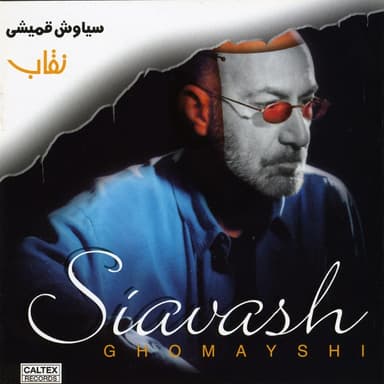
Khatereh
Siavash Ghomayshi
Where the previous song holds an image, this one holds a sensation — the specific texture of a memory that has softened at the edges but still carries weight. The tempo is slightly more deliberate, the guitar work more ornamented, with Persian melodic flourishes that bend notes in ways Western pop rarely attempts. Ghomayshi's phrasing here is more plaintive, each line landing with a small exhale, as though the act of remembering costs something. The strings arrangement swells at key moments without becoming overwrought — they underscore rather than illustrate. The emotional core is nostalgia without resolution: not mourning a loss exactly, but acknowledging that certain memories occupy permanent residence in the body. It captures the particular Iranian aesthetic of romanticized longing, what the culture sometimes calls ghorbat — a homesickness that isn't strictly geographic. This song lives in late evenings, in diaspora kitchens where parents play old cassette transfers, or in anyone's quiet moment of reckoning with how much time has passed. The production is warm and analog-feeling, rooted in an era when sentiment was not considered excess.
slow
1970s
warm, analog, intimate
Iranian/Persian, diaspora nostalgia tradition
Persian Pop, Ballad. Persian Romantic Ballad.
nostalgic, melancholic. Moves from gentle recollection into a deeper ache as the weight of memory accumulates, settling into quiet resignation without release..
energy 2. slow. danceability 1. valence 3.
vocals: plaintive male tenor, ornamented phrasing, emotionally weighted, exhaled delivery.
production: acoustic guitar with Persian melodic flourishes, warm strings, analog, restrained.
texture: warm, analog, intimate. acousticness 9.
era: 1970s. Iranian/Persian, diaspora nostalgia tradition.
Late evenings in a diaspora kitchen where old cassettes play, or any quiet moment of reckoning with how much time has passed.