Estranha Forma de Vida
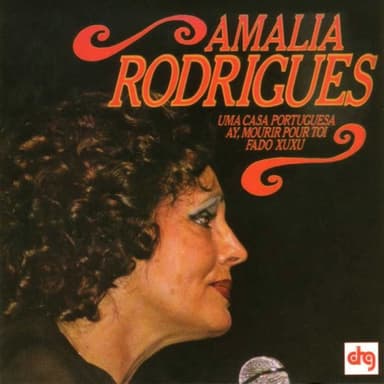
Amália Rodrigues
One of the most emotionally exposed recordings in the fado canon, this track places Amália Rodrigues against a backdrop of classical Portuguese guitar and acoustic bass so minimal it feels like silence made audible. The song doesn't build toward anything — it simply inhabits a state of grief from the first note, sustaining it with unwavering commitment. Amália's voice here is extraordinary in its restraint: she doesn't ornament excessively, doesn't reach for technical display. Instead she lets phrases fall naturally, as if the words are too heavy to throw. The subject is the strangeness of accepting one's fate — a life shaped by forces one didn't choose, and the peculiar peace that can live inside that acceptance. The Portuguese concept of saudade is not merely present here; it is the entire atmosphere, a longing not for something specific but for a wholeness that may never have existed. This was a signature song in Rodrigues' repertoire and is central to understanding why fado moved beyond a regional genre into something that touched audiences across cultures. The production is stripped to the bone — every recording imperfection audible, every breath part of the performance. You encounter this song in moments of profound quietness, when loss isn't fresh but has settled into something you carry permanently, and you need music that doesn't try to comfort you but simply knows.
very slow
1950s
sparse, raw, austere
Portuguese fado, Lisbon
Fado, Folk. Traditional Portuguese fado.
melancholic, serene. Inhabits grief fully from the very first note and sustains it without escalation, arriving at a profound, still acceptance of fate..
energy 2. very slow. danceability 1. valence 2.
vocals: restrained female, emotionally exposed, natural phrasing, minimal ornamentation.
production: classical Portuguese guitar, acoustic bass, bare and raw.
texture: sparse, raw, austere. acousticness 10.
era: 1950s. Portuguese fado, Lisbon.
Moments of profound quietness when old loss has long since settled into something permanently carried in the body.