Fidel Castro
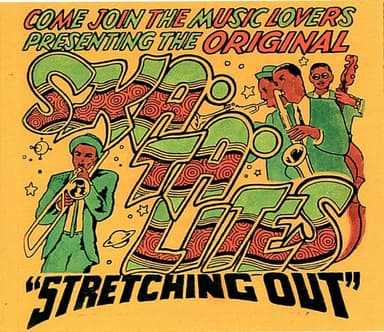
The Skatalites
Named for the Cuban revolutionary but instrumentally detached from ideology, this track channels tension and swagger in equal measure. The horns open with a declamatory phrase — not quite a fanfare, more like a statement of intent — before the full ensemble locks into a groove that has genuine menace lurking beneath its polished surface. The tempo is brisk but controlled, the rhythm section holding a tight, almost conspiratorial pulse while the lead saxophone takes melodic lines that curl and dart like smoke. There is something cinematic about the production: the reverb on the brass gives the track a slight haze, a quality that makes it feel like a scene from a film that was never made. The collective performance has the kind of telepathic interplay that only comes from musicians who have spent years in the same rooms, reading each other. Culturally, naming an instrumental after Castro in 1964 was a political gesture of sorts — Caribbean solidarity, a wink toward anti-colonial sentiment wrapped in a danceable package. This is the kind of track you play when you want to feel a little dangerous, a little sharp — driving at night through streets that are just starting to empty out, the city somewhere between restless and asleep.
fast
1960s
hazy, cinematic, tense
Jamaican ska, Caribbean political culture
Ska, Jazz. Jamaican ska instrumental.
menacing, confident. Opens with a declaratory statement of intent and sustains controlled tension and swagger throughout without fully releasing..
energy 7. fast. danceability 6. valence 6.
vocals: instrumental — no vocals.
production: reverb-hazed brass, curling darting saxophone lines, tight conspiratorial rhythm section, cinematic reverb.
texture: hazy, cinematic, tense. acousticness 3.
era: 1960s. Jamaican ska, Caribbean political culture.
Driving at night through streets just starting to empty out, feeling a little dangerous and sharp.