Swim
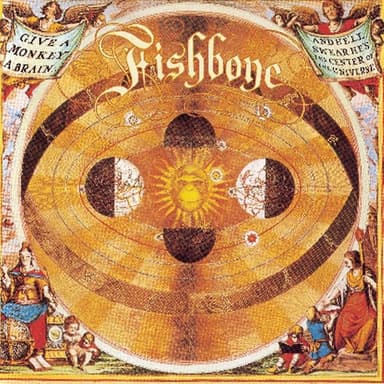
Fishbone
Where much of Fishbone's catalog operates as controlled demolition, this track pulls back into something more exposed and deliberate. The tempo drops to a slow, swaying pulse, and the production opens up considerably — less compression, more air around each instrument, the bass moving with intentional weight rather than nervous energy. Angelo Moore's vocal here trades his usual acrobatic delivery for a more sustained, aching tone, holding notes in ways that reveal the gospel and soul lineage beneath Fishbone's punk exterior. The song captures the feeling of being submerged — not drowning exactly, but suspended, pressure equalizing from all directions. There's a quality of surrender that isn't defeat, more like the moment before a swimmer stops fighting the current and finds the stroke. Horns enter not as punctuation but as color, warm and slightly mournful, adding texture without adding urgency. The lyric explores endurance through metaphor with more patience than the band typically allows itself, trusting the imagery to accumulate meaning rather than hammering it home. Culturally, this is the side of Fishbone that critical narratives tend to undervalue — the quiet devastation beneath the energy. It draws from classic R&B balladry and funk introspection, the tradition of Sly Stone's darker moments. This is music for late nights after long stretches of emotional labor, something to put on when you need to feel held rather than charged.
slow
1990s
warm, open, spacious
Black American, soul and funk tradition, Sly Stone influence
R&B, Funk. soul-funk ballad.
melancholic, serene. Begins in suspension and emotional weight, moves toward a quiet surrender that feels less like defeat and more like finding the right stroke through difficult water..
energy 4. slow. danceability 3. valence 4.
vocals: sustained male, aching tone, gospel and soul lineage, emotionally held.
production: open bass, warm mournful horns, space around each instrument, minimal compression.
texture: warm, open, spacious. acousticness 3.
era: 1990s. Black American, soul and funk tradition, Sly Stone influence.
Late nights after long stretches of emotional labor when you need to feel held rather than charged.