Freddie's Dead
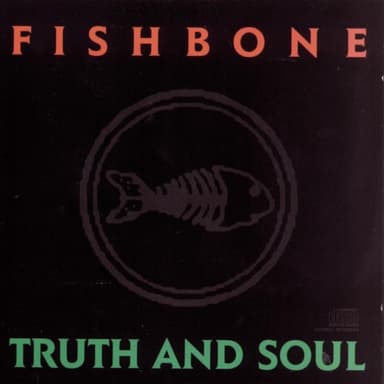
Fishbone
Fishbone's treatment of Curtis Mayfield's bleak street narrative tears the song out of its original 1972 soul context and rebuilds it as something rawer and more combustible. Where Mayfield delivered the story of a young man destroyed by the drug trade with a kind of mournful elegance, Fishbone weaponizes the arrangement — brass stabs arrive like punches, the rhythm section locks into a funk groove that feels less like a dance floor and more like a warning siren. Angelo Moore's vocals carry the urgency of someone who has personally witnessed the cycle the lyrics describe, cycling between a conversational plea and something close to a scream. The horns don't ornament here; they prosecute. The production has a live, sweaty quality — you can almost feel the room. Layers of guitar and saxophone collide without ever descending into noise, the band's musicianship keeping everything organized even at its most frenetic. It belongs to the late-80s/early-90s moment when Fishbone and their peers tried to force rock audiences to reckon with social reality through sheer sonic force. Reach for this when you need music that refuses to let you be comfortable, when you want a song that communicates moral weight through volume and rhythm rather than quiet contemplation. It hits differently than the original — angrier, more desperate, as if the decades between the two recordings only proved the story hadn't ended.
fast
1990s
raw, live, combustible
Black American funk and soul, late 80s Los Angeles recontextualization
Funk, Punk. punk-funk cover.
urgent, aggressive. Strips Mayfield's mournful elegance and rebuilds it as moral urgency, cycling between desperate plea and near-scream without ever finding resolution..
energy 9. fast. danceability 6. valence 2.
vocals: urgent male, oscillates between conversational plea and near-scream, personally witnessed delivery.
production: brass stabs like punches, live sweaty quality, colliding guitar and saxophone, tightly organized chaos.
texture: raw, live, combustible. acousticness 1.
era: 1990s. Black American funk and soul, late 80s Los Angeles recontextualization.
When you need music that refuses comfort and communicates moral weight through volume and rhythm rather than quiet contemplation.