Human Being Lawnmower
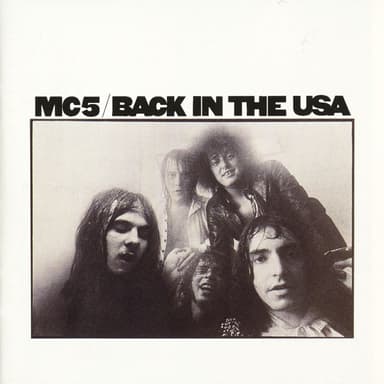
MC5
The song arrives like a factory floor collapse — gears grinding into guitars, rhythm section hammering with the mechanical fury of something that was never meant to be stopped. MC5 lean into the absurdist violence of the title, building a wall of distorted sound that doesn't shimmer or seduce but simply pushes forward with overwhelming industrial momentum. Rob Tyner's vocals bark and snarl, not quite singing in any conventional sense but declaiming, testifying, turning the human voice into just another piece of clanging machinery. The rhythm is punishing in the best way — Wayne Kramer and Fred Smith's twin guitars don't trade solos so much as collide into each other, sparks flying where they meet. This belongs to the Detroit hard-rock underground of the late sixties and early seventies, that particular post-industrial crucible where political rage and musical extremity fused into something that would spend decades echoing through punk, metal, and noise rock. The song doesn't offer catharsis exactly — it offers recognition, the feeling that someone has accurately named the dehumanizing grind of modern life and decided the correct response is to be louder than it. Play it when you're stuck in traffic in a city that used to make things, when you want music that honors your anger rather than soothing it.
fast
1960s
abrasive, dense, mechanical
Detroit, USA — post-industrial hard rock underground
Rock, Punk. Proto-punk / Hard Rock.
aggressive, defiant. Opens with industrial fury and sustains unrelenting rage throughout, offering recognition rather than release..
energy 9. fast. danceability 4. valence 3.
vocals: aggressive male, declamatory, raw bark and snarl.
production: distorted twin guitars, heavy rhythm section, minimal studio polish.
texture: abrasive, dense, mechanical. acousticness 1.
era: 1960s. Detroit, USA — post-industrial hard rock underground.
Stuck in traffic in a decaying industrial city when you need music that honors your anger rather than soothes it.