Jack the Ripper
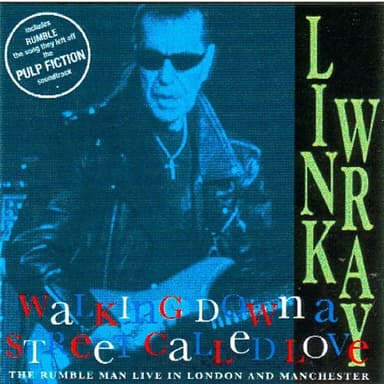
Link Wray
If "Rumble" is a threat made wordless, "Jack the Ripper" is something more unsettling — it's a character study rendered entirely in guitar. Wray conjures a Victorian nocturne from pure electric menace, the tempo slow and stalking, each note placed with deliberate, predatory weight. The guitar tone here is particularly filthy, full of harmonic decay and trailing distortion that gives the sound a decomposing quality, like something organic going wrong. There's a theatrical horror to the rhythm, a lurch-and-pause pattern that mimics footsteps stopping to listen. The song operates on a logic of dread rather than shock: nothing sudden happens, but the tension never releases. What Wray understood instinctively was that the most frightening sounds are patient ones — sounds that suggest something is choosing when to strike. This is proto-metal in its emotional architecture, predating the genre's formal arrival by a decade or more. You don't put this on when you want energy; you put it on when you want the room to feel different, when you want the air to carry a charge that everyone can sense but no one can explain.
slow
1960s
decaying, menacing, dense
American rock, proto-metal architecture, Victorian horror imagery
Rock. Proto-Metal.
dark, anxious. Builds patient, unrelenting dread that never resolves, choosing tension over shock and patience over explosion..
energy 5. slow. danceability 3. valence 2.
vocals: no vocals, instrumental.
production: filthy distorted guitar, harmonic decay, trailing overtones, lurch-and-pause rhythmic pattern.
texture: decaying, menacing, dense. acousticness 1.
era: 1960s. American rock, proto-metal architecture, Victorian horror imagery.
When you want the room to carry a charge everyone can sense but no one can explain.