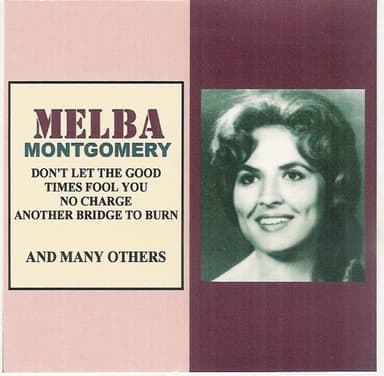
No Charge
Melba Montgomery
Few recordings weaponize silence and restraint the way this one does. Built on little more than acoustic guitar, spare piano, and the vast open air of a country studio, the production creates intimacy so intense it borders on intrusion. Montgomery's voice carries the specific grain of someone who has lived beyond the polished surface of sentiment — there's a roughness in her tone that makes every word feel earned rather than performed. The song unfolds as a mother's spoken meditation on a child's demands versus what she has already given, and the emotional architecture is devastatingly precise: the tension builds through repetition until it breaks open into something that feels like both rebuke and grace simultaneously. It belongs to the tradition of Southern gospel-country storytelling, a genre that understands parables as the most efficient delivery system for moral weight. The era — early 1970s — was one of country music's most emotionally literate periods, when the genre trusted its audience with complexity. This is a record you reach for when you need to be reminded that love operates in registers beyond the romantic, that the deepest debts are the ones we never think to name.
slow
1970s
raw, sparse, intimate
Southern American country-gospel tradition, early-70s emotionally literate country
Country, Gospel. Country Gospel storytelling.
poignant, emotional. Builds tension through quiet repetition until it ruptures into something simultaneously like rebuke and grace — devastation and love delivered in the same breath..
energy 2. slow. danceability 1. valence 5.
vocals: raw weathered female, storytelling delivery, earned rather than performed, grained with lived experience.
production: acoustic guitar, spare piano, open studio air, minimal and intimate.
texture: raw, sparse, intimate. acousticness 9.
era: 1970s. Southern American country-gospel tradition, early-70s emotionally literate country.
A quiet moment alone when you need to be reminded that the deepest forms of love are the ones we never think to name.