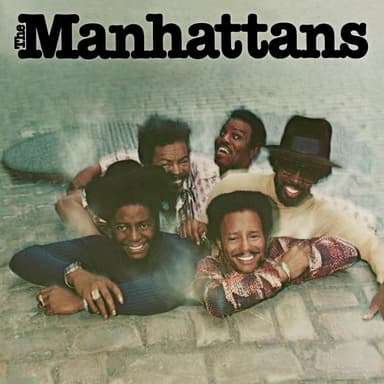
Kiss and Say Goodbye
Manhattans
"Kiss and Say Goodbye" by the Manhattans opens with one of the most recognized spoken introductions in soul music — a low, measured voice explaining the situation before the melody even begins, as though the singer needs to get the story straight in his own mind before he can survive the song. That spoken prelude isn't theatrical; it's procedural in a heartbreaking way, the voice of a man trying to be dignified in a moment that is dismantling him. When the full arrangement arrives, it is lush with orchestral strings and warm, round horn accents characteristic of mid-seventies Philadelphia and New York soul production — music that understood that the bigger the sound, the more private the grief felt by contrast. Lead vocalist Winfred Lovett possesses a baritone of extraordinary gravity, and he uses it here not to dramatize but to endure, each phrase landing with the weight of a decision already made and already regretted. The other Manhattans weave behind him in harmonies that feel like support rather than decoration, as if the group itself is holding him up. The lyric addresses someone with whom the relationship must end despite continuing love — circumstances rather than feeling have made this necessary — and the moral seriousness with which it approaches that situation gives the song a dimension beyond ordinary breakup fare. It is Sunday morning music, 1976, somewhere in an American city, and everything about it understands the difference between an ending that destroys you and one that, somehow, still preserves your dignity.
slow
1970s
lush, warm, orchestral
African American soul, Philadelphia and New York
Soul, R&B. Philadelphia Soul.
melancholic, bittersweet. Opens with measured spoken resignation and deepens into dignified, aching acceptance of an ending that love alone could not prevent..
energy 3. slow. danceability 2. valence 3.
vocals: deep baritone, dignified, restrained, emotionally weighty.
production: orchestral strings, warm horn accents, lush soul arrangement, mid-70s studio craft.
texture: lush, warm, orchestral. acousticness 4.
era: 1970s. African American soul, Philadelphia and New York.
Late night alone after a necessary but devastating goodbye, when you need music that honors grief without dramatizing it.