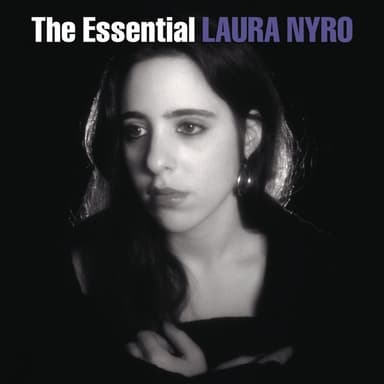
And When I Die
Laura Nyro
There's something almost startling about how Nyro opens this song, the piano and arrangement establishing a mood that could tip either toward celebration or elegy, and she holds that ambiguity with remarkable steadiness throughout. The song meditates on mortality with a lightness that doesn't diminish the subject but instead strips it of its terror — she seems genuinely curious about the fact of death rather than afraid of it, and that curiosity is infectious. The gospel influence is undeniable, the sense that this is music designed to be shared collectively, voices raised together in acknowledgment of something larger than the individual. Her vocal delivery has a kind of conversational ease that feels almost paradoxical given the subject matter, as if she's discussing something obvious and worth discussing but not worth dramatizing. Blood, Sweat & Tears took this song and turned it into a horn-driven rock statement, which works on its own terms, but Nyro's approach is more intimate, less about declaration and more about the quiet work of making peace with impermanence. The song belongs to the late sixties in ways that go beyond era markers — it captures a particular moment of communal reckoning, a generation trying to figure out what it believed and how to live with uncertainty. It's the kind of music that rewards being listened to alone, somewhere you can let it ask its questions without rushing toward answers.
medium
1960s
warm, open, communal
Late-sixties American communal reckoning, gospel-folk fusion
Folk, Soul. Gospel-Folk.
contemplative, serene. Opens in ambiguous lightness between celebration and elegy, sustains curious equanimity about mortality, and closes in communal peace..
energy 3. medium. danceability 3. valence 6.
vocals: conversational female, gospel-informed, easy, paradoxically light on heavy subject.
production: piano, orchestral hints, communal gospel structure, intimate recording.
texture: warm, open, communal. acousticness 6.
era: 1960s. Late-sixties American communal reckoning, gospel-folk fusion.
Alone somewhere quiet when you want music that asks questions about impermanence without rushing you toward answers.