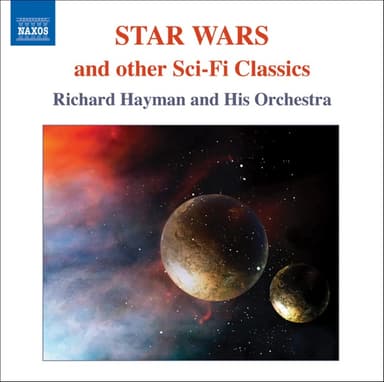
The Throne Room (Star Wars: A New Hope)
John Williams
Timpani roll, brass fanfare, and then a cascade of orchestral triumph so complete it feels like the sound of history being written in real time. The Throne Room march is Williams at his most ceremonially euphoric — a piece designed to make the chest physically expand, to make the spine straighten involuntarily. The melody borrows the grammar of European martial tradition but inflates it with Hollywood grandeur until it transcends any particular cultural reference and becomes something more universal: the sound of earned victory, of survival against impossible odds. There's a particular moment when the full brass and strings align on the main statement that operates almost pharmacologically — it bypasses intellectual response entirely and hits something more primal. Williams understood that the audience needed catharsis, not just excitement, and so the theme carries genuine emotional weight beneath its pomp. This piece belongs to the era when film scores were conceived as complete musical experiences, not atmospheric support. You play this when something has been completed after a long struggle — a project finished, a hard chapter closed, a moment worth marking.
medium
1970s
bright, monumental, jubilant
American Hollywood orchestral tradition, European martial fanfare tradition
Soundtrack, Classical. Orchestral March.
euphoric, triumphant. Opens with a timpani roll and builds immediately to complete ceremonial triumph, sustaining cathartic euphoria through to an unambiguous, chest-expanding conclusion..
energy 9. medium. danceability 5. valence 10.
vocals: instrumental, no vocals.
production: full brass and strings in unison, timpani, Hollywood grandeur, European martial march grammar.
texture: bright, monumental, jubilant. acousticness 8.
era: 1970s. American Hollywood orchestral tradition, European martial fanfare tradition.
When something has been completed after a long struggle — a project finished, a hard chapter closed, a moment worth marking.