Camino del Indio
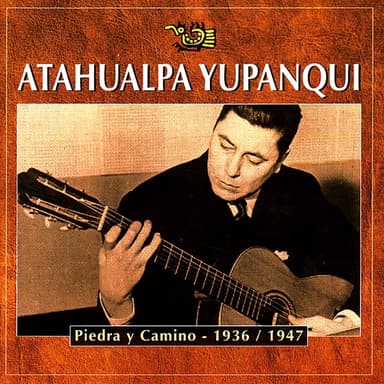
Atahualpa Yupanqui
Atahualpa Yupanqui recorded "Camino del Indio" in an era before Argentine folk music had been domesticated into tourism, and the song retains a quality that is difficult to name — something between solitude and spiritual geography. The guitar work is the entire architecture here: fingerpicked with a classical precision that Yupanqui developed over decades, each note placed with the deliberateness of a man who walked the Andean paths he sang about. The tempo is unhurried, the dynamics sparse, the melody tracing a path that rises and descends like actual terrain. No percussion, no ensemble — just one voice and one instrument, which creates a kind of intimacy that feels almost private, as if you are overhearing someone's communion with a landscape. The emotional register is contemplative bordering on austere, shaped by the indigenous relationship to land as something one belongs to rather than owns. Yupanqui himself was of Quechua descent, and this song carries that knowledge in its bones. You listen to it alone, in the morning, before the world has made its demands known.
slow
1950s
sparse, intimate, austere
Argentine Andean folk, Quechua cultural memory, Northwestern Argentina
Folk, Latin Folk. Argentine folk / folklore.
serene, contemplative. Stays steady in spiritual quietude from beginning to end — no crescendo, no release, just a continuous, unhurried communion with landscape and solitude..
energy 2. slow. danceability 1. valence 5.
vocals: single dry male voice, no vibrato, austere, intimate.
production: solo fingerpicked classical guitar, no percussion, no ensemble, minimal.
texture: sparse, intimate, austere. acousticness 10.
era: 1950s. Argentine Andean folk, Quechua cultural memory, Northwestern Argentina.
Alone in the early morning before the world has made its demands, needing to feel connected to something older than your own concerns.