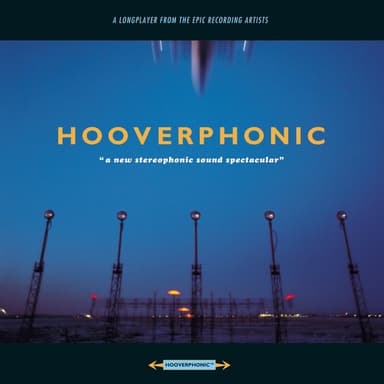
Wardrobe
Hooverphonic
There is a particular kind of stillness that Hooverphonic inhabits in this song — not silence exactly, but the hush that settles over a room when something intimate is about to happen. "Wardrobe" moves on the slowest of pulses, its electronic undercurrent barely a heartbeat beneath layers of bowed strings that feel like they're being drawn across ice rather than horsehair. Geike Arnaert's voice enters the space as if she's speaking only to herself, a low confessional murmur that never quite rises to assertion. The production has a humid warmth to it, close-miked and slightly breathless, with small orchestral swells that materialize and dissolve before they can resolve into anything predictable. Lyrically, the song circles around intimacy as concealment — the wardrobe as metaphor for the private self, the things we keep folded away from ordinary light. It belongs to the Belgian trip-hop scene of the late nineties and early aughts, but wears its influences lightly, more indebted to film scoring than to Portishead. This is music for the hour before dawn when you're alone and feel it in a specific, almost comfortable way — the song doesn't ask to be listened to loudly, it asks to be let in.
very slow
1990s
hushed, warm, cinematic
Belgian trip-hop / European art pop
Trip-Hop, Electronic. Cinematic Trip-Hop.
melancholic, intimate. Begins in quiet solitude and deepens into a comfortable, almost tender acceptance of aloneness..
energy 2. very slow. danceability 2. valence 4.
vocals: breathy female, low confessional, restrained and intimate.
production: bowed strings, subtle electronic undercurrent, close-miked orchestral swells.
texture: hushed, warm, cinematic. acousticness 4.
era: 1990s. Belgian trip-hop / European art pop.
The hour before dawn when you're alone in a quiet apartment and the stillness feels almost comforting.