Pare Cochero
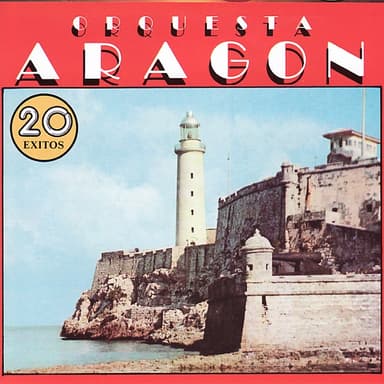
Orquesta Aragón
Orquesta Aragón occupies a world entirely its own within Cuban music, and this charanga piece from the mid-twentieth century shows why they were untouchable in their era. The violin section carries the melodic weight in a way that feels simultaneously lush and precise — these are not the romantic strings of bolero but something more rhythmically active, more conversational with the flute that weaves between them. The flute itself has that characteristic Aragón shimmer, bright and slightly cutting, tracing lines that feel improvised even when they are not. The percussion is understated compared to later Cuban forms, the conga and timbales keeping time with elegant economy. The vocal has the theatrical playfulness of classic son and danzón traditions — there is comedy in the delivery, the voice of someone calling out to a carriage driver with mock urgency. The lyric captures a street scene, a moment of everyday Havana life elevated into something timeless. This is music that understands formality and irreverence as two sides of the same coin, the charanga format providing the elegance while the content delivers the wink. Reach for this when you want to understand what Cuban music felt like before amplification changed everything, when a violin could carry a ballroom.
medium
1950s
lush, precise, elegant
Havana, Cuba — mid-century charanga ballroom tradition
Charanga, Cuban Traditional. Charanga.
playful, nostalgic. Blends theatrical irreverence with formal elegance, moving from a comedic street scene into timeless celebration..
energy 5. medium. danceability 7. valence 8.
vocals: theatrical male, playful, mock-urgent, mid-century Cuban delivery.
production: active violins, bright cutting flute, elegant sparse percussion.
texture: lush, precise, elegant. acousticness 7.
era: 1950s. Havana, Cuba — mid-century charanga ballroom tradition.
When you want to understand what Cuban music felt like before amplification changed everything.