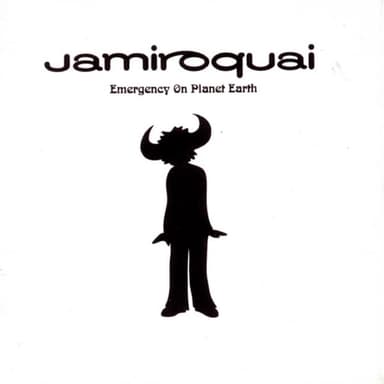
Emergency on Planet Earth
Jamiroquai
This is a document disguised as a dancefloor record. From the opening, it announces itself with righteous, almost confrontational energy — a dense horn arrangement that reads less like a fanfare and more like an alarm going off. The rhythm section is thick and purposeful, drawing heavily from 70s funk but filtered through early-90s production sensibilities: tight, punchy, with just enough rawness to feel live. Jay Kay delivers his lyrics with the urgency of a street-corner preacher who has also studied the groove deeply — his phrasing is rhythmically gymnastic, bending around the beat without ever losing it. The song is fundamentally a protest record, cataloguing environmental destruction and social neglect with a specificity that most pop music avoids, and the energy of the performance makes the anger feel personal rather than political. The backing vocals lock in with the horns to create a sense of communal outrage — this is not one man's complaint but a chorus of it. It fits squarely within the acid jazz revival that was reshaping London's music scene at the time, when young musicians were reaching back to Sly Stone and Stevie Wonder to find a language for contemporary frustration. Put it on when you need music that makes you feel like action is not only possible but necessary.
fast
1990s
dense, raw, powerful
British acid jazz revival, influenced by Sly Stone and Stevie Wonder
Funk, Soul. Protest Funk.
aggressive, defiant. Opens with confrontational alarm and builds communal outrage through the track, ending in collective urgency for action..
energy 9. fast. danceability 7. valence 4.
vocals: impassioned male, preacher-like, rhythmically gymnastic and urgent.
production: thick horns, punchy rhythm section, raw 70s funk filtered through 90s production.
texture: dense, raw, powerful. acousticness 2.
era: 1990s. British acid jazz revival, influenced by Sly Stone and Stevie Wonder.
When you need music that makes you feel like action is not only possible but necessary.