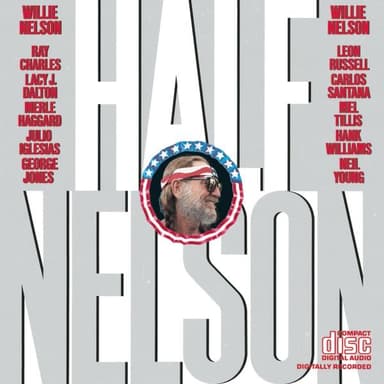
Pancho and Lefty
Willie Nelson
This is a song that feels excavated rather than written, as though Nelson and Townes Van Zandt found a story already buried in the Texas dust and simply brushed it clean. The production is sparse to the point of austerity — guitar, a few understated accompaniments, nothing that distracts from the narrative gravity. Nelson's delivery here is among the most restrained of his career, his voice a thin ribbon of sound that somehow carries enormous emotional weight precisely because it doesn't strain. The story traces two figures whose lives intersect and diverge across decades: one who lived dangerously and died in obscurity, one who survived by compromise and carries the guilt of it into old age. There's a philosophical melancholy running beneath every verse, a sense that survival itself can be a form of moral failure. The song doesn't judge either man — it observes, the way a long-lived person might observe the choices that shaped them without quite forgiving or condemning. It belongs to that rare category of country songs that function as literature, closest in spirit to a short story by Cormac McCarthy. You reach for it when you're sitting alone with something unresolved, when you're thinking about roads not taken or old friends whose fates diverged from yours in ways that still feel strange.
slow
1980s
sparse, dry, intimate
Texas, American country-folk tradition
Country. Outlaw Country.
melancholic, philosophical. Opens with quiet resignation and builds into a deepening moral sorrow, ending in reflective guilt without resolution..
energy 2. slow. danceability 2. valence 3.
vocals: restrained male tenor, narrative, emotionally weighted.
production: sparse acoustic guitar, minimal accompaniment, dry mix.
texture: sparse, dry, intimate. acousticness 9.
era: 1980s. Texas, American country-folk tradition.
Sitting alone at night wrestling with an old regret or a friendship that drifted into silence.