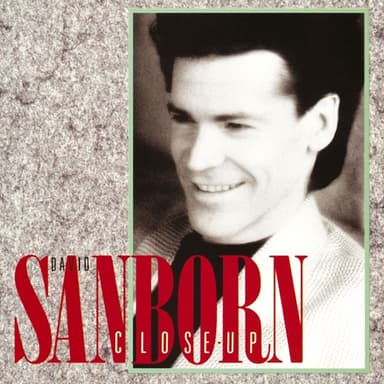
Slam
David Sanborn
"Slam" justifies its title completely. From its opening bars, it establishes a no-nonsense intensity that sets Sanborn apart from virtually every saxophonist working in the commercial jazz space at the time — this is music that refuses to be polite. The rhythm section attacks with genuine aggression, the bass locked into a tight, repeating figure while the drums crack and pop with a live, almost combative energy. Sanborn's saxophone enters like a declaration, his alto tone pushed to its edges — bright, slightly strident, with the kind of physical presence you feel in your chest at sufficient volume. His phrasing is blues and bebop filtered through a sensibility shaped by rock and R&B, and he bends notes with an expressive violence that gives even the fastest passages emotional weight. The overall structure builds and releases tension with dramatic efficiency — there's nothing wasted, no decorative filler. This is not seduction music or Sunday morning music; it's confrontational in the best sense, demanding your full engagement. It belongs in a city, in motion, during some kind of reckoning. "Slam" represents what Sanborn consistently offered that smoother players didn't: the reminder that jazz saxophone had a physical, even dangerous edge, and that commercial success didn't have to mean declawing it.
fast
1970s
raw, explosive, dense
American jazz-funk, blues-bebop crossover
Jazz, Funk. Jazz-Funk.
aggressive, defiant. Establishes confrontational intensity from the first bar and builds and releases tension with dramatic efficiency, nothing wasted, no resolution offered..
energy 9. fast. danceability 7. valence 6.
vocals: instrumental, no vocals.
production: attacking rhythm section, combative snare, blues-bebop alto saxophone pushed to its edges with R&B and rock inflection.
texture: raw, explosive, dense. acousticness 1.
era: 1970s. American jazz-funk, blues-bebop crossover.
In a city, in motion, during some kind of reckoning — music that demands your full engagement rather than your relaxation.