Nkwa Oma
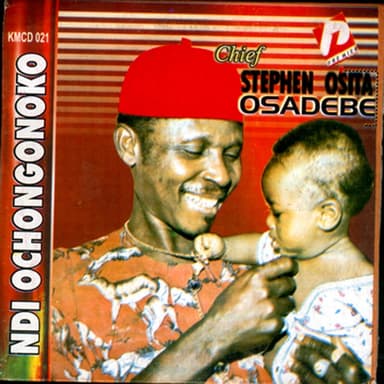
Chief Stephen Osita Osadebe
A sun-drenched cascade of acoustic guitar arpeggios opens this highlife celebration, layered over a rhythm section that pulses with the easy, rolling cadence of the Niger Delta. The tempo is unhurried but never static — it breathes, expanding and contracting like a conversation among old friends. Osadebe's voice arrives warm and rounded, almost parental in its assurance, a baritone that has spent decades learning how to carry joy without force. There is a communal quality to the sound: talking drums whisper underneath the melodic lines, and the horn arrangements shimmer in the background like heat rising off red laterite roads. The song belongs to a tradition of Igbo praise music that understands celebration as a form of spiritual testimony — giving thanks not in the abstract but through naming, through specific acknowledgment of life's gifts. The mood it creates is not triumphant in a chest-beating sense; it is more like the quiet contentment of a man sitting outside at dusk, watching his compound fill with people he loves. You reach for this song on a slow Sunday afternoon, when there is nowhere urgently to be, when something good has recently happened that you haven't yet found the right way to express.
slow
1970s
warm, sun-drenched, organic
Igbo, Niger Delta Nigeria
Highlife, World Music. Igbo Highlife.
content, serene. Settles immediately into quiet contentment and remains there, deepening unhurriedly into spiritual gratitude without needing to build toward anything..
energy 4. slow. danceability 5. valence 8.
vocals: warm baritone, parental and assured, carrying joy without force.
production: sun-drenched acoustic guitar arpeggios, talking drums underneath, shimmering background horns, breathing rhythm.
texture: warm, sun-drenched, organic. acousticness 7.
era: 1970s. Igbo, Niger Delta Nigeria.
A slow Sunday afternoon with nowhere urgent to be, when something good has recently happened that you haven't yet found the right words for.