Omode Meta
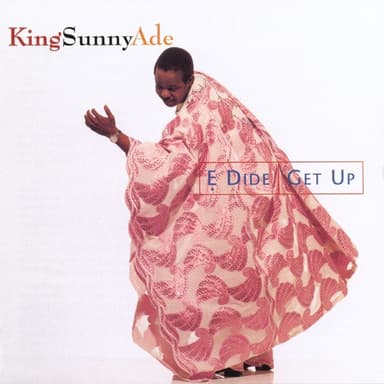
King Sunny Ade
The sound King Sunny Ade conjures here is less a song than a ceremony. Layers of talking drums — the dundun's taut, conversational voice — weave underneath a bed of interlocking guitar figures, each string part finding its own narrow lane in a traffic of rhythm that somehow never collides. The tempo is patient, circular, returning to itself the way a river bends. There is no urgency, only inevitability. Three children: the title gesture toward generations, toward the chain of continuity that Yoruba cosmology holds sacred. The vocals are generous and unhurried, moving between lead and chorus in a call-and-response pattern that feels communal rather than performed. You sense a room full of people who know the words. Emotionally this sits somewhere between celebration and solemnity — a song that honors life by refusing to rush through it. The steel guitar slides through phrases like a hand laid gently on a shoulder. This is jùjú music at its most ceremonial core, rooted in the Lagos social clubs of the 1970s where music was an act of communal affirmation. Reach for it on a Sunday morning when you need something that feels larger than your individual concerns, something that places you inside a longer story.
slow
1970s
patient, ceremonial, layered
Nigerian, Yoruba; Lagos social-club jùjú tradition of the 1970s
Jùjú, African. Nigerian Jùjú.
ceremonial, serene. Opens in patient ceremonial stillness and sustains a sustained blend of solemnity and celebration honoring generational continuity..
energy 4. slow. danceability 5. valence 7.
vocals: generous male, unhurried, communal call-and-response, Yoruba cosmological phrasing.
production: dundun talking drums, interlocking guitar figures, sliding steel guitar, communal Lagos social-club arrangement.
texture: patient, ceremonial, layered. acousticness 5.
era: 1970s. Nigerian, Yoruba; Lagos social-club jùjú tradition of the 1970s.
Sunday morning when you need something that places you inside a longer story larger than your individual concerns.