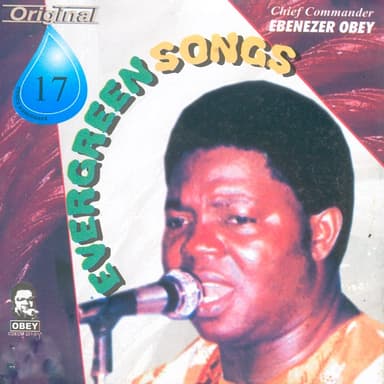
Iwa
Ebenezer Obey
Character is not asserted in "Iwa" so much as demonstrated — the song itself behaves with the integrity its subject demands, unfolding with quiet confidence over a jùjú arrangement that never shows off, never overreaches. The guitars interlock in that characteristic Obey fashion, but there is an unusual restraint here, a deliberate absence of ornamentation that makes the message feel earned rather than decorated. The percussion holds steady and unshowy, providing foundation without spectacle. Iwa — the Yoruba concept of character, of innate nature, of how a person genuinely is when no one is watching — is a subject Obey has returned to throughout his career, and in this recording the weight of that concern registers fully in his vocal tone. He sings with the gravity of someone who has seen what happens when character is absent and what flourishes when it is present. The backing singers echo and affirm with a church-like solemnity that grounds the song in communal values rather than individual performance. This is music that belongs to the Yoruba philosophical tradition's deepest current, where art and ethics were never considered separate provinces. You listen to it in moments of reckoning — when you are assessing choices, measuring yourself against your own stated values, or simply needing music that takes the interior life as seriously as you are trying to.
medium
1970s
restrained, grounded, austere
Yoruba, West Africa
Jùjú. Yoruba Jùjú.
contemplative, solemn. Opens with restrained gravity and sustains a steady, unshowy moral seriousness from first note to last..
energy 4. medium. danceability 4. valence 6.
vocals: grave male baritone, earned conviction, unhurried.
production: interlocking guitars, unadorned percussion, church-like backing vocals.
texture: restrained, grounded, austere. acousticness 7.
era: 1970s. Yoruba, West Africa.
Moments of personal reckoning — measuring yourself against your own values or needing music that treats the interior life with full seriousness.