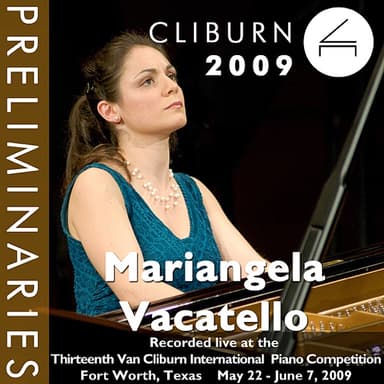
Transcendental Étude No.10 in F minor "Appassionata
Liszt
The title "Appassionata" was not Liszt's own — it was attached later, and yet it fits with uncomfortable precision. This étude from the Transcendental set is one of the most physically and emotionally demanding pieces in the standard piano repertoire, a study in sustained intensity that refuses to release its grip for nearly eight minutes. The key of F minor establishes the mood immediately: dark, driven, slightly feverish. The opening gesture — a surging, chromatic line in the right hand over churning octaves below — sets a tempo that feels both inevitable and barely controlled. What Liszt demands of the performer is not speed for its own sake but rather the ability to sustain passion across a long arc without letting it collapse into mere noise. The middle section offers a fleeting lyrical respite, a melody that surfaces like a memory before the storm reclaims it. Emotionally, this piece maps the experience of being overtaken by feeling — not the clean burst of rage or joy but the extended, exhausting state of being consumed. It belongs to late nights, to the aftermath of arguments, to the particular loneliness of feeling too much. Hearing a great pianist navigate it is like watching someone walk a tightrope over a long distance — you can't look away.
fast
1850s
dark, turbulent, dense
European Romantic, Hungarian-German tradition
Classical. Romantic étude.
intense, anxious. Erupts immediately into dark urgency, briefly surfaces into lyrical relief, then is reclaimed by consuming, exhausting passion..
energy 9. fast. danceability 2. valence 3.
vocals: instrumental, no vocals.
production: solo piano, virtuosic, surging chromatic lines over churning octaves.
texture: dark, turbulent, dense. acousticness 9.
era: 1850s. European Romantic, Hungarian-German tradition.
Late nights after arguments or emotional overload, when you need music that matches the feeling of being consumed.