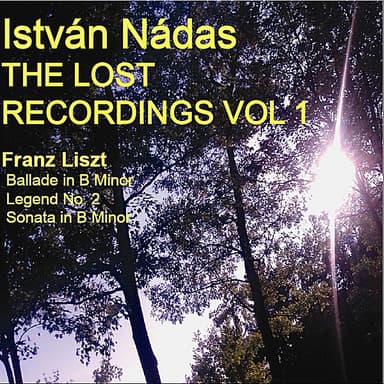
Ballade No.2 in B minor
Liszt
The second Ballade is among the most structurally unusual pieces Liszt wrote, and that strangeness is part of what makes it so haunting. In B minor — already a key with a particular Gothic heaviness in the Romantic tradition — it opens with a searching, harmonically ambiguous theme that seems to ask a question it isn't sure how to finish. The emotional territory is darker than any of the consolations or rhapsodies: there is something genuinely unsettled here, a quality of unresolved longing that the music circles rather than confronts directly. The middle section introduces a contrasting theme of aching lyricism, but it doesn't resolve the tension so much as briefly suspend it, the way a bright window in a dim room only makes the surrounding darkness more visible. The return of the opening material feels transformed, weighted by everything the middle section suggested. Liszt never programmed the piece explicitly, leaving its narrative open, but listeners and scholars have long associated it with figures from literature — wanderers, searchers, those caught between worlds. It demands active attention: this is not music that rewards passivity. It's for solitary listening, late at night, when you're willing to sit with something that doesn't resolve cleanly, because you recognize that as an accurate portrait of how things actually feel.
slow
1850s
dark, complex, haunting
European Romantic / Gothic literary tradition
Classical. Romantic ballade.
melancholic, anxious. Opens with unresolved, searching questions, briefly suspends tension with aching lyricism, then returns heavier and more weighted than before..
energy 4. slow. danceability 1. valence 3.
vocals: instrumental, no vocals.
production: solo piano, chromatic harmony, introspective and structurally ambiguous.
texture: dark, complex, haunting. acousticness 9.
era: 1850s. European Romantic / Gothic literary tradition.
Late-night solitary listening when you're willing to sit with something that doesn't resolve, because that feels honest.