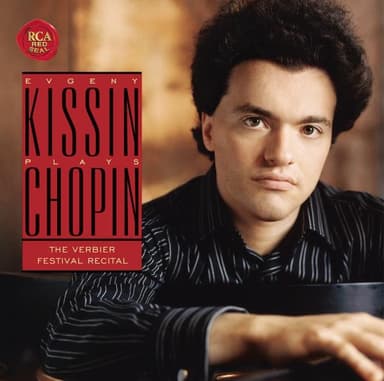
Fantaisie-Impromptu in C-sharp minor, Op.66
Chopin
Two tempos exist simultaneously here, and the mind must hold both at once — the right hand racing through rapid passages in a flowing triplet rhythm while the left hand asserts a simpler, more stately melodic line against it. This formal tension is the entire emotional content of the piece: urgency against restraint, flight against gravity, the desire to dissolve into pure motion versus the pull of something more grounded and serious. The central section slows everything down into a melody of such naked beauty that the contrast with the outer sections becomes almost painful, a glimpse of stillness inside perpetual movement. Then the opening returns, the hands again pulling in different directions, the rushing passage never quite resolving its restlessness. Chopin kept this piece unpublished during his lifetime, possibly because it felt too personal or too technically problematic in its formal construction. The Fantaisie of the title suggests freedom from conventional structure, and indeed the piece has a quality of thought happening in real time, of emotion finding its shape as it unfolds rather than following a predetermined plan. The technical demands are severe but what comes through in a great performance is not display but confession — someone working something out at the keyboard, some interior conflict made audible. This is music for transition: not for settled evenings but for the heightened alertness of departure or arrival, airport terminals, late nights before something changes, the particular intensity of time that feels both fast and significant.
fast
1830s
bright, rushing, contrasted
Polish-French Romantic
Classical. Romantic character piece.
anxious, dreamy. Urgent, restless outer sections frame a moment of aching stillness at the center, then return without resolution — the conflict never fully settles..
energy 7. fast. danceability 2. valence 4.
vocals: instrumental — no vocals.
production: solo piano, polyrhythmic layering, contrasting registers.
texture: bright, rushing, contrasted. acousticness 10.
era: 1830s. Polish-French Romantic.
Late night before something significant changes — airport terminal, last hours in a city you're leaving.